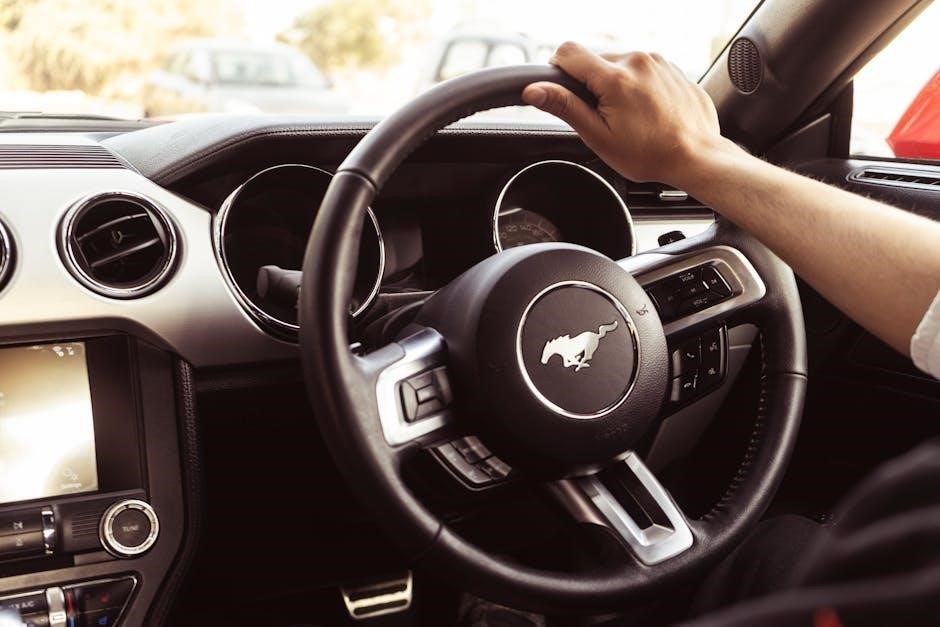
The 2005 Acura TL, particularly the TL-S variant, offered enthusiasts a rewarding 6-speed manual transmission option, enhancing driving engagement and performance capabilities.
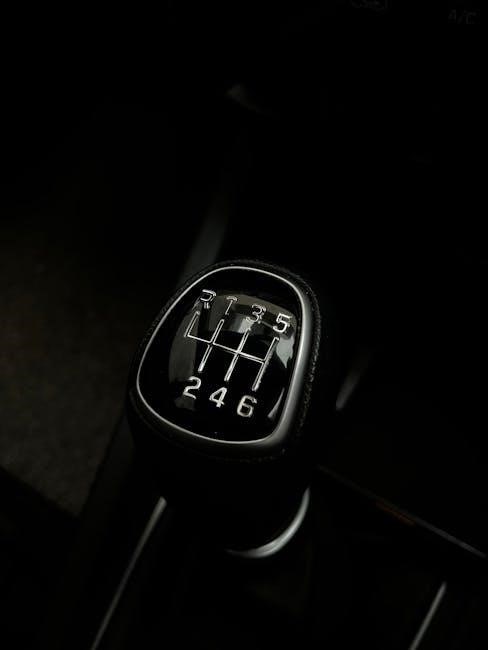
Owners frequently discuss transmission issues, notably with 3rd gear engagement, while acknowledging the car’s overall performance reputation and potential longevity concerns.
Overview of the 2005 Acura TL
The 2005 Acura TL represented a significant evolution in Honda’s luxury sedan offerings, blending sporty handling with refined comfort. Available with either a five-speed automatic or a highly sought-after six-speed manual transmission, the TL catered to a diverse range of drivers. The TL-S trim, in particular, amplified the performance aspect, featuring a more powerful engine and sport-tuned suspension.
This generation TL quickly gained recognition for its sleek styling and well-appointed interior. However, it also became known for certain reliability concerns, especially regarding the automatic transmission. The manual transmission models, while less common, offered a more direct connection to the driving experience and, generally, proved more durable. Owners often praise the TL’s overall build quality and engaging driving dynamics, making it a popular choice in the used car market.
Significance of the 6-Speed Manual Option
The availability of a 6-speed manual transmission in the 2005 Acura TL, especially the TL-S, dramatically altered the car’s appeal for driving enthusiasts. It transformed the TL from a comfortable luxury sedan into a genuinely engaging performance vehicle, offering greater control and a more visceral driving experience. This option allowed drivers to fully exploit the engine’s power and responsiveness.
Compared to the automatic, the manual transmission fostered a stronger connection between driver and machine. It also addressed some reliability concerns associated with the 5-speed automatic found in other TL models. The inclusion of a limited slip differential further enhanced handling and traction. Consequently, the manual TL-S became a favorite among those seeking a sporty and reliable luxury car.

Technical Specifications of the 2005 Acura TL Manual Transmission
The 2005 Acura TL’s 6-speed manual featured specific gear ratios, a robust clutch assembly, and often included a limited slip differential for improved handling.
Gear Ratios and Final Drive
The 2005 Acura TL’s 6-speed manual transmission utilizes a carefully calibrated set of gear ratios designed to balance acceleration and fuel efficiency. While precise ratios can vary slightly based on specific TL models (standard vs. TL-S), the configuration generally prioritizes responsive performance. First gear is geared for strong initial acceleration, while higher gears are optimized for comfortable highway cruising.
Information regarding the exact ratios is often found within Acura service manuals or enthusiast forums dedicated to the TL platform. The final drive ratio, typically around 4.77:1, plays a crucial role in determining the overall gearing characteristics, influencing both acceleration and top speed. This combination allows for a spirited driving experience, offering both engaging performance and reasonable fuel economy.
Limited Slip Differential (LSD) Details
The 2005 Acura TL-S, equipped with the 6-speed manual transmission, notably featured a Limited Slip Differential (LSD) as standard equipment. This crucial component significantly enhances traction and handling, particularly during spirited driving or in challenging road conditions. The LSD works by distributing torque between the rear wheels, minimizing wheelspin and maximizing grip.
Specifically, the TL-S utilized a Torsen-type LSD, known for its smooth and predictable operation. This design allows for varying degrees of lock-up based on traction differences between the wheels. Removing a transmission from a 2005 Acura TL Sport will reveal this LSD. The presence of the LSD contributes to the TL-S’s superior cornering ability and overall driving dynamics.
Clutch Disc, Pressure Plate and Flywheel Specifications
Detailed specifications for the 2005 Acura TL’s 6-speed manual transmission clutch components are crucial for maintenance and upgrades. While precise dimensions require referencing a parts catalog, the system utilizes a robust design to handle the engine’s output. The clutch disc diameter is approximately 240mm (9.45 inches), paired with a pressure plate designed for firm engagement.
Flywheel weight is a key consideration for performance modifications; stock flywheels typically weigh around 14.5 lbs. Aftermarket options offer lighter weights for quicker engine response. Upgrading these components allows for increased torque capacity and improved feel. Proper installation and torque specifications are vital to prevent premature wear or failure.
Common Problems and Issues
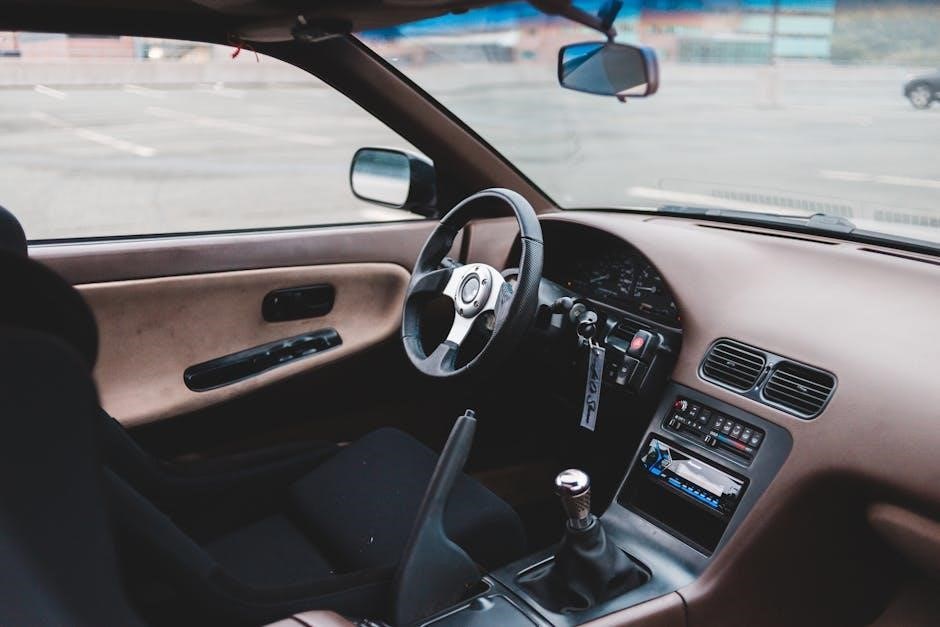
Acura TL owners report manual transmission issues, particularly with 3rd gear engagement, and increased occurrences of problems as mileage accumulates on the vehicle.
Difficulty Engaging Gears (Specifically 3rd Gear)
A recurring complaint among 2005 Acura TL manual transmission owners centers around difficulty engaging third gear. This issue isn’t always consistent, sometimes appearing intermittently, leading some to initially attribute it to driver error or unfamiliarity with the vehicle’s shifting characteristics.
However, reports indicate this persists even for experienced manual drivers. One owner specifically noted the problem arose in their 2007 TL-S shortly after acquisition. A transmission flush and adjustment performed by an Acura dealership, under warranty, addressed the issue for that particular case.
The root cause isn’t definitively established, but potential factors include synchronizer wear, internal transmission debris, or issues with the shift linkage. Early diagnosis and addressing the problem are crucial to prevent further damage.
Transmission Flush and Adjustment Procedures
Acura dealerships, like Denville Acura in New Jersey, offer transmission flush and adjustment services as a potential remedy for gear engagement issues, particularly the noted difficulty with 3rd gear in the 2005 TL’s 6-speed manual. This procedure involves completely draining the old transmission fluid and replacing it with fresh fluid of the correct specification.
Adjustment typically focuses on the shift linkage, ensuring precise engagement between the shifter and the internal transmission components. While a flush and adjustment can resolve some issues, it’s not a guaranteed fix for all problems.
Owners considering a DIY flush should research thoroughly, as incorrect fluid type or improper procedure can cause further damage. Professional service is often recommended for optimal results.
Transmission Problems Reported by Owners
Acura TL owners have consistently reported issues related to the manual transmission, categorized under powertrain concerns. A recurring theme is difficulty engaging 3rd gear, often appearing after a period of ownership, even for experienced manual drivers. Some speculate this relates to internal wear or synchronization issues within the gearbox.
General transmission complaints increase with mileage, aligning with reports of increased transmission-related problems for the 2005 model year from sources like Consumer Reports and J.D. Power. Debris shedding from tighter clutch packs in the transmission is also a potential cause.
These reports highlight the need for proactive maintenance and careful monitoring of shifting performance.
Maintenance and Repair
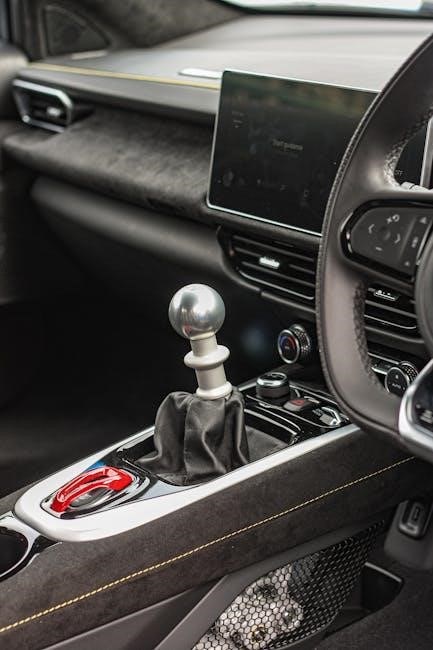
Regular fluid changes using the correct type are crucial for longevity. Addressing issues like difficult gear engagement promptly—DIY or professionally—can prevent further transmission damage.
Recommended Fluid Type and Change Intervals
Maintaining the correct fluid level and using the appropriate type is paramount for the 2005 Acura TL’s manual transmission. Honda Genuine Manual Transmission Fluid (MTF) is widely recommended by owners and Acura service centers.
Avoid using gear oils not specifically designed for Honda/Acura manual transmissions, as they can cause shifting problems and internal damage.
Change intervals are debated, but a conservative approach of every 30,000 miles or 3 years is advisable, especially for those who frequently engage in spirited driving.
More frequent changes – around 15,000 to 20,000 miles – are beneficial for track use or aggressive driving styles. Inspecting the fluid’s condition regularly can help determine if an earlier change is needed.
Identifying Potential Transmission Issues
Early detection is key to preventing major repairs with the 2005 Acura TL’s manual transmission. Difficulty engaging gears, particularly 3rd as frequently reported, is a primary warning sign.
Grinding noises during shifts, even subtle ones, should not be ignored. Clutch slippage, accompanied by increased engine RPM without corresponding acceleration, also indicates a problem.
Pay attention to fluid leaks around the transmission housing. Unusual vibrations or a “clunky” feel during shifting are further indicators of potential issues.
Regularly check the shift linkage for looseness and ensure smooth, precise gear changes. Promptly address any anomalies to avoid escalating damage.
DIY vs. Professional Repair
Simple maintenance, like checking fluid levels, can be a DIY task for the 2005 Acura TL’s manual transmission. However, diagnosing and repairing complex issues often requires specialized tools and expertise.
Attempting a full transmission flush or internal repairs without proper knowledge can worsen the problem. Clutch replacement, while achievable for experienced mechanics, demands precision and careful attention to detail.
Professional diagnosis using Acura-specific scan tools is crucial for accurate problem identification. A qualified mechanic can perform adjustments and identify worn components effectively.
Consider the complexity and your skill level before attempting any repairs. Incorrect work can lead to costly mistakes and potential safety hazards; professional help is often the wisest choice.

Performance and Driving Experience
The 6-speed manual in the 2005 Acura TL delivers a connected, engaging driving experience, offering precise control and enhancing the car’s sporty character.
It noticeably improves performance compared to the automatic, providing quicker acceleration and a more direct feel for the engine’s power.
Shifting Characteristics and Feel
The 2005 Acura TL’s 6-speed manual transmission is generally praised for its relatively short throws and precise engagement, contributing to a sporty driving experience. However, some owners initially report a slight notchiness, particularly when shifting into third gear, which can improve with familiarity.
The clutch pedal offers a moderate weight and travel, making it suitable for both spirited driving and daily commutes. The transmission’s gearing is well-matched to the engine’s powerband, allowing for strong acceleration in each gear. Experienced drivers appreciate the control and responsiveness offered by the manual, while those new to the car may require a brief adjustment period to master smooth shifts.
Overall, the transmission provides a satisfying and engaging feel, enhancing the connection between driver and machine.
Impact of the Manual Transmission on Performance
The 6-speed manual transmission in the 2005 Acura TL significantly impacts performance, granting drivers greater control over the engine’s power delivery. Compared to the automatic, the manual allows for more precise gear selection, optimizing acceleration and responsiveness. This translates to quicker 0-60 mph times and improved overall driving dynamics.
The manual transmission also reduces drivetrain losses, channeling more of the engine’s power to the wheels. Enthusiasts appreciate the ability to hold gears longer during spirited driving, maximizing engine braking and cornering performance.
While both transmissions share the same engine, the manual version delivers a more visceral and engaging driving experience, appealing to those who prioritize control and performance.
Comparison to Automatic Transmission Models
The 2005 Acura TL’s automatic transmission, while smooth and convenient, differs substantially from the 6-speed manual in driving feel and efficiency. Automatic models prioritize comfort and ease of use, offering seamless gear changes but sacrificing some driver engagement.
The automatic’s shift logic, while refined, doesn’t allow for the same level of control as the manual, potentially leading to less optimal gear selection during aggressive driving. Early Acura 5-speed automatics faced reliability concerns due to tighter clutch packs and complex shift control.
Ultimately, the manual TL provides a more connected and sporty experience, while the automatic caters to drivers seeking a more relaxed and effortless ride.

Reliability and Longevity
The 2005 Acura TL’s manual transmission generally exhibits good reliability, though issues can arise with age and mileage, particularly concerning clutch wear and synchro health.
Proper maintenance significantly impacts lifespan, and reported problems suggest potential long-term concerns for some owners.
Acura TL Transmission Reliability Analysis
The 2005 Acura TL’s manual transmission, while generally robust, isn’t without its reported weaknesses. Analysis of owner feedback reveals a pattern of potential issues emerging after exceeding 100,000 miles. While not widespread failures, complaints center around difficulty engaging specific gears, most notably 3rd, suggesting potential synchro wear.
Consumer Reports and J.D. Power data corroborate these concerns, highlighting transmission-related complaints as a common issue for this model year. However, it’s crucial to note that many TLs with the 6-speed manual continue to operate reliably with diligent maintenance. The inclusion of a limited-slip differential in the TL-S model adds complexity, potentially introducing another point of failure, though reports specifically related to the LSD are less frequent.
Overall, the transmission’s reliability is considered average for its age and class, contingent on consistent fluid changes and proactive attention to emerging symptoms.
Factors Affecting Transmission Lifespan
Several key factors significantly impact the longevity of the 2005 Acura TL’s 6-speed manual transmission. Aggressive driving habits, including frequent hard shifts and “spirited” acceleration, accelerate wear on synchronizers and clutch components. Conversely, smooth, deliberate shifting promotes extended lifespan.
Regular maintenance is paramount; adhering to recommended fluid change intervals is critical for lubricating gears and preventing debris buildup. Neglecting fluid changes leads to increased friction and potential damage. The transmission’s lifespan is also affected by the quality of replacement parts, particularly clutch discs and pressure plates.
Environmental conditions, such as extreme temperatures, and the presence of a limited-slip differential (in TL-S models) also play a role, demanding careful monitoring and maintenance.
Common Causes of Transmission Failure
Several issues contribute to potential failure in the 2005 Acura TL’s manual transmission. A frequently reported problem is difficulty engaging 3rd gear, often stemming from synchronizer wear or damage. This can escalate if ignored, leading to more extensive internal damage.
Insufficient or degraded transmission fluid is a primary culprit, causing increased friction and heat. Clutch wear, particularly with aggressive driving, also contributes to stress on transmission components. The complexity of the limited-slip differential (TL-S) introduces another potential failure point.
Debris accumulation, especially in older transmissions, can obstruct fluid passages and accelerate wear. Ignoring early warning signs, like unusual noises or difficult shifting, often results in catastrophic failure.

Upgrades and Modifications
Aftermarket clutches, short shifter kits, and lightweight flywheels are popular upgrades for the 2005 Acura TL’s manual transmission, improving performance and driver feel.
Aftermarket Clutch Options
Upgrading the clutch is a common modification for 2005 Acura TL owners seeking increased performance or replacing a worn-out factory unit. Several aftermarket options cater to different driving styles and power levels.
Performance clutches, often featuring enhanced friction materials, provide a firmer pedal feel and increased holding capacity, crucial for spirited driving or boosted applications. Options range from mild upgrades suitable for daily driving to aggressive clutches designed for track use.
Popular brands offer kits including the clutch disc, pressure plate, and throw-out bearing. Considerations include clutch type (organic, ceramic, or hybrid), and whether a flywheel resurfacing or replacement is necessary during installation. Careful selection ensures optimal performance and reliability.
Short Shifter Kits
Short shifter kits are a popular modification for the 2005 Acura TL’s manual transmission, aiming to reduce shift throw and improve shifting precision. These kits typically replace the factory shift linkage components with shorter, more direct alternatives.
The benefit is a quicker, more responsive shifting experience, enhancing driver engagement and control. Installation usually involves replacing parts within the transmission tunnel, requiring moderate mechanical skill. Several manufacturers offer kits specifically designed for the TL;
Considerations include the degree of throw reduction and the impact on shift feel. Some kits offer adjustable settings, allowing drivers to customize the shifter to their preference. Proper installation and adjustment are crucial for optimal performance.
Lightweight Flywheel Considerations
Lightweight flywheels are often paired with aftermarket clutch upgrades for the 2005 Acura TL manual transmission, aiming to improve engine responsiveness and acceleration. Reducing rotational mass allows the engine to rev more freely, enhancing performance.
However, several considerations are crucial. Lightweight flywheels can increase the likelihood of stalling, particularly at low speeds, due to reduced engine inertia. They may also introduce more drivetrain vibrations and noise.
Choosing the right weight is key – excessively light flywheels can negatively impact drivability. Compatibility with the existing clutch and starter is also essential. Professional installation is highly recommended to ensure proper balancing and fitment.
Resources and Support
Acura enthusiast forums and online communities provide valuable support, parts sourcing, and troubleshooting advice for the 2005 TL’s manual transmission;
Finding qualified Acura mechanics specializing in this model ensures proper diagnosis and repair of any transmission issues.
Acura Forums and Online Communities
Acura owner forums are invaluable resources for 2005 TL owners, particularly those with the 6-speed manual transmission. These platforms host extensive discussions regarding common issues, like difficulty engaging 3rd gear, and potential solutions offered by experienced enthusiasts.
Websites such as AcuraZine and other dedicated Acura communities allow owners to share repair experiences, locate parts, and seek advice from mechanics familiar with the vehicle. Members often post detailed guides for transmission flushes and adjustments, offering a DIY approach for some maintenance tasks.
These online spaces also facilitate parts sourcing, connecting owners with vendors offering both new and used transmission components. Active participation in these forums can significantly aid in diagnosing and resolving transmission-related problems.
Parts Availability and Sourcing
Finding parts for the 2005 Acura TL’s 6-speed manual transmission requires a multi-faceted approach. New OEM parts can be sourced through Acura dealerships, though availability may be limited due to the vehicle’s age. Online Acura parts retailers often stock common wear items like clutch discs and pressure plates.
Used parts are readily available through online marketplaces and Acura-specific forums, where owners often sell salvaged components, including complete transmissions with limited-slip differentials. Local salvage yards can also be a source, but condition verification is crucial.
Considering aftermarket options for clutches and flywheels expands sourcing possibilities, offering performance upgrades alongside replacement parts. Careful research and vendor selection are vital to ensure quality and compatibility.
Finding Qualified Acura Mechanics
Servicing the 2005 Acura TL’s manual transmission demands specialized knowledge. General mechanics may lack the experience to diagnose and repair its intricacies, particularly issues like difficult 3rd gear engagement or LSD problems.
Seek out mechanics specializing in Acura or Honda vehicles, possessing familiarity with this specific transmission. Online Acura forums and communities are invaluable resources for recommendations, often highlighting mechanics with proven track records.
Verify the mechanic’s diagnostic capabilities and access to specialized tools. Discuss previous experience with TL transmissions and inquire about their approach to transmission flushes and adjustments. A thorough consultation builds confidence.