Arctic King Freezer Manual Troubleshooting: A Comprehensive Guide
Navigating freezer issues? This guide offers detailed solutions, from power checks to compressor diagnostics, ensuring your Arctic King operates efficiently and preserves your food effectively․
Understanding Your Arctic King Freezer
Arctic King freezers, available in chest and upright models, are designed for reliable food preservation․ Familiarizing yourself with your specific model – referencing its manual is crucial – will streamline troubleshooting․ Key components include the compressor, responsible for circulating refrigerant and creating cold air; the evaporator fan, distributing that cold air throughout the freezer; and the thermostat, regulating the internal temperature․
Understanding how these parts interact is vital․ A malfunctioning compressor, as noted in recent discussions, can lead to a complete lack of cooling․ Similarly, a faulty evaporator fan hinders proper air circulation, resulting in inconsistent temperatures․ The thermostat’s role in maintaining the set temperature shouldn’t be underestimated; incorrect settings or a failing thermostat can cause issues․ Regularly checking the door seals, as highlighted, prevents warm air infiltration, preserving efficiency․
Safety Precautions Before Troubleshooting
Prioritize safety when addressing any freezer issue․ Always disconnect the Arctic King freezer from its power source before commencing any inspection or repair work․ This prevents electrical shock and potential damage to the unit․ Avoid touching refrigerant lines, as they can cause frostbite․ If you suspect a refrigerant leak, ventilate the area immediately and contact a qualified technician․
When handling tools, wear appropriate safety glasses and gloves․ Be cautious when dealing with electrical components; if you’re uncomfortable or lack experience, it’s best to consult a professional․ Never attempt to bypass safety features like the overload protector․ Remember, improper repairs can void your warranty and create hazardous conditions․ Refer to your freezer’s manual for specific safety guidelines related to your model․
Common Issues & Their Solutions
Arctic King freezers can experience several common problems․ A freezer not cooling often stems from a faulty thermostat, power supply issues, or a failing compressor․ Insufficient cooling frequently indicates a problem with the door seals, allowing warm air to enter, or a malfunctioning evaporator fan hindering air circulation․ If the freezer won’t turn on, check the power cord, circuit breaker, and the overload protector․
Simple solutions include resetting the thermostat, ensuring the power cord is securely plugged in, and cleaning the condenser coils․ Inspecting and replacing worn door seals can significantly improve cooling efficiency․ For more complex issues like compressor failure or evaporator fan malfunctions, professional assistance is generally recommended․ Regularly checking these components can prevent major breakdowns and extend your freezer’s lifespan․
Freezer Not Cooling – Initial Checks
When your Arctic King freezer isn’t cooling, begin with the simplest checks․ First, verify the power supply – ensure the unit is plugged in securely and the circuit breaker hasn’t tripped․ Next, examine the thermostat setting; it might have been accidentally adjusted to a warmer temperature or turned off․ Carefully inspect the door seals for any gaps or damage, as compromised seals allow warm air infiltration․
Listen for the compressor; it should cycle on and off periodically․ If it’s not running, further investigation is needed․ Also, check for any obstructions blocking the vents inside the freezer, hindering airflow․ A quick visual inspection of the condenser coils for dust buildup is also crucial․ Addressing these initial points can often resolve the issue without requiring extensive troubleshooting․
Insufficient Cooling – Temperature Regulation
If your Arctic King freezer cools but isn’t reaching the desired temperature, focus on temperature regulation․ Confirm the thermostat is set correctly – a lower setting means colder temperatures․ Avoid overcrowding the freezer, as this restricts air circulation and reduces cooling efficiency․ Ensure items aren’t blocking the vents, which are vital for distributing cold air evenly․

Check if warm items were recently added, as they temporarily raise the internal temperature․ A malfunctioning thermostat can also cause inconsistent cooling; testing its functionality is essential․ If the compressor is cycling frequently but not maintaining temperature, it suggests a potential issue with the refrigerant or compressor itself․ Consistent monitoring of the freezer’s temperature is key to identifying and resolving these regulation problems․
Freezer Not Turning On – Power Supply Issues

When your Arctic King freezer fails to power on, begin with the basics: verify the power cord is securely plugged into a functioning outlet․ Test the outlet with another appliance to confirm it’s receiving power․ Check your home’s circuit breaker or fuse box; a tripped breaker or blown fuse can interrupt power supply․ If the outlet and breaker are fine, inspect the power cord for any visible damage, like cuts or fraying․
Recent power outages can sometimes trigger an overload protector, requiring a manual reset․ Some models have a separate power switch – ensure it’s in the ‘on’ position․ A faulty start relay or capacitor can also prevent the compressor from starting․ If these initial checks don’t resolve the issue, further investigation into the electrical components may be necessary․
Detailed Troubleshooting Steps
Embarking on in-depth diagnostics requires a systematic approach․ Begin by carefully observing the freezer’s behavior – listen for unusual noises, and note any visible frost buildup․ A failing compressor might cycle on and off rapidly or not run at all, potentially indicating a need for replacement․ Inspect the evaporator fan; a malfunctioning fan hinders air circulation, leading to uneven cooling․
The thermostat controls temperature, so verify its settings and functionality․ A faulty thermostat can prevent the freezer from reaching the desired temperature․ Thoroughly examine the door seals for gaps or damage, as compromised seals allow warm air to enter, impacting cooling efficiency․ These detailed steps will help pinpoint the root cause of the problem․
Compressor Issues – Cycling and Failure
The compressor is the heart of your freezer; its proper function is crucial․ Intermittent cycling – frequently turning on and off – often signals an overload condition or potential compressor weakness․ A complete compressor failure means the freezer won’t cool at all․ Carefully inspect the compressor for physical damage, and listen for unusual noises like clicking or buzzing․
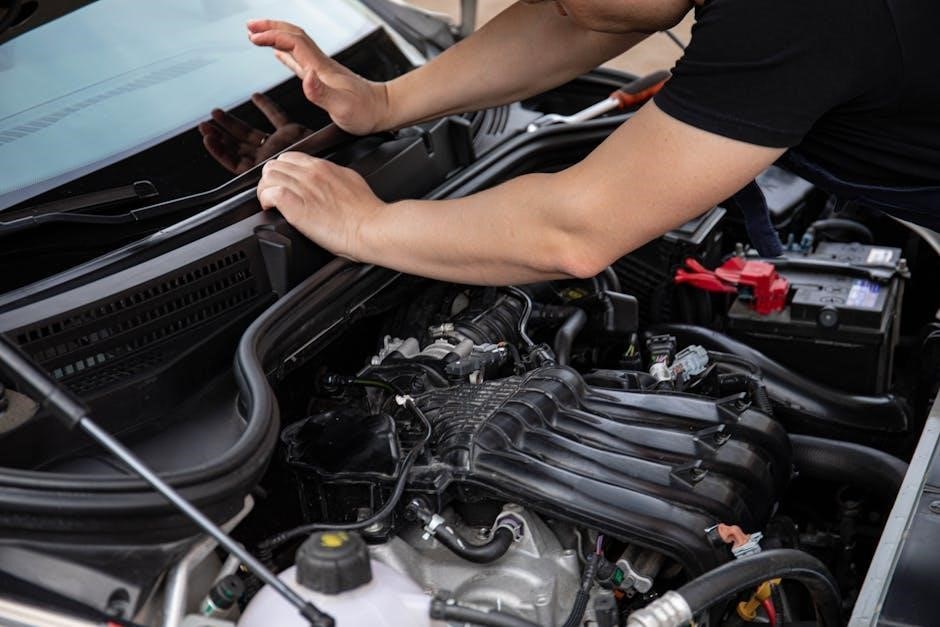
If the compressor isn’t cycling, it strongly suggests a failure․ Before assuming the worst, check the overload protector and capacitor (discussed elsewhere), as these components can prevent the compressor from starting․ Diagnosing compressor issues often requires specialized tools and knowledge; professional assistance is recommended for replacement or complex repairs․
Evaporator Fan Malfunction – Air Circulation
Proper air circulation is vital for consistent freezer temperatures․ The evaporator fan blows cold air throughout the freezer compartment, ensuring even cooling․ If this fan malfunctions, you’ll likely experience warm spots or inconsistent freezing․ Check if the fan is obstructed by ice buildup or items stored inside․ A blocked fan can’t circulate air effectively․
Listen for the fan running; if it’s silent, it may be faulty․ Inspect the fan motor for damage or a frozen shaft․ Sometimes, defrosting the freezer completely can resolve ice-related obstructions․ However, if the motor is burned out or the fan blades are damaged, replacement is necessary․ A functioning evaporator fan is essential for optimal freezer performance and food preservation․
Thermostat Problems – Temperature Control
The thermostat regulates the freezer’s internal temperature․ If it’s malfunctioning, the freezer may not cool sufficiently, or it could run constantly․ Begin by verifying the thermostat setting; ensure it’s not accidentally set too warm․ A faulty thermostat might not accurately sense the temperature, leading to inconsistent performance․
To test the thermostat, you can use a multimeter to check for continuity․ If there’s no continuity when it should be present, the thermostat likely needs replacing․ Incorrect temperature readings can also stem from a thermostat that’s physically damaged or improperly calibrated․ Replacing a thermostat is a relatively straightforward repair, but always disconnect power before attempting any electrical work․ Accurate temperature control is crucial for food safety․
Door Seal Inspection – Maintaining Temperature
A compromised door seal is a frequent cause of temperature fluctuations․ Inspect the entire perimeter of the freezer door for any tears, cracks, or gaps․ Even a small opening allows warm air to enter, forcing the compressor to work harder and potentially leading to frost buildup․ A simple test involves closing the door on a piece of paper; if you can easily pull it out, the seal is likely weak․
Cleaning the door seal with warm, soapy water can sometimes restore its effectiveness by removing debris․ However, if the seal is damaged, it must be replaced․ Replacement seals are readily available and relatively inexpensive․ Ensuring a tight seal significantly improves energy efficiency and prevents food spoilage․ Regularly check the seal’s condition as part of routine maintenance․
Electrical Component Checks
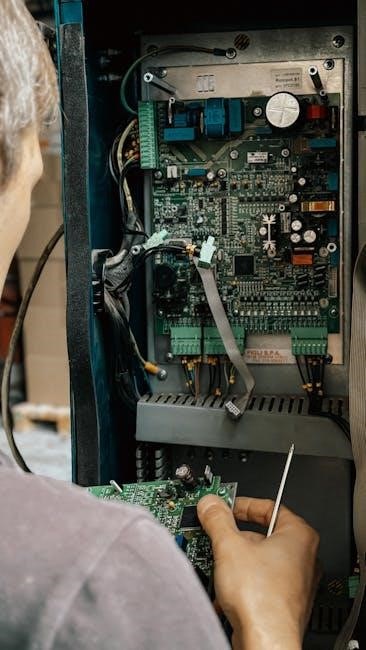
Addressing electrical issues requires caution; disconnect power before inspection․ Begin by examining the overload protector, a safety device that trips during power surges or compressor overloads․ A tripped protector can prevent the freezer from starting; resetting it might resolve the issue, but frequent tripping indicates a deeper problem requiring replacement․ Next, test the capacitor, crucial for the compressor’s start-up․ A faulty capacitor often results in a humming sound but no compressor action․
Thoroughly inspect all wiring for loose connections, frayed wires, or signs of burning․ Secure any loose connections and replace damaged wiring immediately․ Remember to consult a wiring diagram if available․ These checks are vital for diagnosing and resolving electrical faults, restoring power, and ensuring safe operation of your Arctic King freezer․

Overload Protector – Resetting and Replacement
The overload protector safeguards the compressor from damage․ If your freezer isn’t running after a power outage, or experiences intermittent operation, the protector might have tripped․ Locate the protector – typically near the compressor – and press the reset button; If it resets and the freezer starts, monitor for re-tripping, which signals a compressor or electrical issue․
However, if the protector doesn’t reset, or continues to trip repeatedly, it’s likely faulty and requires replacement․ Always disconnect power before replacing! Obtain a compatible replacement part and carefully install it, ensuring secure connections․ A failing overload protector is often linked to compressor problems, so further diagnostics might be necessary after replacement to ensure complete resolution․
Capacitor Testing – Compressor Start-Up
The capacitor provides the initial electrical boost needed for the compressor to start․ A weak or failed capacitor is a common cause of a compressor that hums but doesn’t run․ Caution: Capacitors store electricity – disconnect power and discharge it safely before testing! Use a multimeter with capacitance testing capability to check the capacitor’s microfarad (µF) rating․
Compare the reading to the value printed on the capacitor itself․ A significant deviation (typically 6-10%) indicates failure․ Replacing a faulty capacitor is relatively straightforward, but ensure the new capacitor has the exact same µF rating and voltage․ Incorrect values can damage the compressor․ If the capacitor tests good, the issue likely lies elsewhere, requiring further investigation of the compressor or related components․
Wiring Issues – Identifying and Repairing
Faulty wiring can disrupt power flow, preventing the freezer from operating correctly․ Begin by visually inspecting all wiring connections within the freezer’s control box and around the compressor․ Look for loose connections, frayed wires, or signs of burning․ Gently tug on each wire to ensure it’s securely attached․ Always disconnect power before inspecting wiring!
Use a multimeter to check for continuity along the wiring paths․ A lack of continuity indicates a break in the wire․ Repair damaged wires by splicing them with wire connectors, ensuring a secure and insulated connection․ If you notice corrosion, clean the terminals with a wire brush․ If you are uncomfortable working with electrical wiring, consult a qualified technician to avoid potential hazards and ensure safe repair․
Specific Arctic King Freezer Models

Arctic King offers diverse freezer types, each with unique troubleshooting considerations․ Chest freezers, known for their energy efficiency, often experience issues with door seals and manual defrosting․ Ensure the lid closes tightly to maintain temperature․ Upright freezers, offering convenient organization, may encounter problems with the evaporator fan or automatic defrost system․
For chest freezers, check for proper airflow around the unit and ensure nothing is blocking the vents․ With upright models, listen for unusual noises from the fan and inspect the defrost drain for clogs․ Refer to your specific model’s manual for detailed diagrams and component locations․ Understanding these model-specific nuances will streamline your troubleshooting process and help restore optimal performance․
Chest Freezer Troubleshooting
Arctic King chest freezers prioritize energy conservation, but require specific attention to certain issues․ A common problem is a compromised door seal, leading to temperature fluctuations․ Inspect the gasket for tears or gaps, and clean it regularly․ Insufficient cooling often stems from improper airflow – ensure items aren’t blocking internal vents․
If the freezer isn’t cooling, verify the power supply and thermostat setting․ A failing compressor, indicated by a lack of cycling, requires professional attention․ For units failing to turn on after a power outage, suspect the overload protector․ Regularly defrosting is crucial, as ice buildup reduces efficiency․ Remember to check for browned connectors, potentially indicating electrical issues, and consult the manual for detailed component locations․
Upright Freezer Troubleshooting
Arctic King upright freezers demand consistent airflow for optimal performance․ A frequent issue is evaporator fan malfunction, hindering cold air circulation․ Listen for unusual noises; a failing fan often emits a grinding sound․ Insufficient cooling can also result from blocked vents – avoid overpacking and ensure proper item placement․
If your upright freezer isn’t cooling, begin by checking the thermostat and power connection․ Compressor problems, evidenced by a lack of cycling, necessitate professional diagnosis․ Door seal integrity is vital; inspect for gaps and clean regularly․ For units unresponsive after power interruptions, consider the overload protector․ Remember to consult your manual for specific component locations and always prioritize safety when inspecting electrical parts․
Preventative Maintenance
Regular upkeep extends your Arctic King freezer’s lifespan and efficiency․ Consistent cleaning, both inside and out, prevents odor buildup and maintains hygiene․ Wipe down interior surfaces with a mild detergent solution, and don’t forget the door gaskets! Exterior cleaning keeps the appliance looking its best and prevents corrosion․
Crucially, coil cleaning is paramount․ Dust and debris accumulation on the condenser coils significantly reduce cooling performance․ Use a vacuum cleaner with a brush attachment to gently remove buildup – disconnect power first! Proper ventilation around the freezer is also essential․ By implementing these simple steps, you’ll minimize potential issues and ensure consistent, reliable operation, reducing the need for extensive troubleshooting down the line․
Regular Cleaning – Interior and Exterior
Maintaining a clean Arctic King freezer is vital for optimal performance and food safety․ Begin by disconnecting the power to prevent electrical hazards․ For the interior, remove all food items and shelving․ Wash interior surfaces with a solution of warm water and baking soda – avoid harsh chemicals! Pay close attention to spills and stains, as these can harbor bacteria and odors․
Exterior cleaning is equally important․ Wipe down the cabinet with a damp cloth and mild detergent․ Don’t forget the door seals; clean them thoroughly to ensure a tight seal, preserving cooling efficiency․ Regularly inspect and clean the condenser coils (refer to coil cleaning instructions)․ A clean freezer operates more efficiently and extends its lifespan, minimizing potential troubleshooting needs․
Coil Cleaning – Improving Efficiency
Dust and debris accumulation on the condenser coils significantly reduces your Arctic King freezer’s efficiency․ Locate the coils – typically on the back or bottom of the unit․ Always disconnect power before cleaning! Use a vacuum cleaner with a brush attachment to gently remove dust․ For stubborn buildup, a specialized coil cleaning brush can be very effective․
Avoid bending the coils during cleaning, as this can damage them and impair cooling performance․ Regular coil cleaning – ideally every six months – ensures proper heat dissipation, reducing compressor strain and energy consumption․ A clean condenser coil allows the freezer to maintain consistent temperatures, preventing food spoilage and minimizing the need for frequent troubleshooting or repairs․ This simple maintenance step can dramatically extend your freezer’s lifespan․
When to Call a Professional
While many Arctic King freezer issues are DIY-friendly, certain problems demand a qualified technician’s expertise․ If you suspect a refrigerant leak – indicated by consistently poor cooling despite other troubleshooting steps – do not attempt repairs yourself․ Refrigerant handling requires specialized equipment and certification․
Similarly, complex electrical issues, such as persistent compressor failures or unexplained power surges, should be addressed by a professional․ Attempting to repair these components without proper knowledge can be dangerous and void your warranty․ If you’ve exhausted all troubleshooting steps and the freezer remains non-functional, or if you’re uncomfortable working with electrical components, contacting a certified appliance repair technician is the safest and most effective course of action․ Prioritize safety and prevent further damage!
Finding Your Arctic King Freezer Manual Online
Lost your Arctic King freezer manual? Don’t worry! Numerous online resources offer downloadable versions․ Start with the official Arctic King website; often, manuals are available in a dedicated “Support” or “Downloads” section․ You’ll typically need your freezer’s model number – usually found on a sticker inside the freezer compartment – to locate the correct manual․
If the official website doesn’t have your model, explore third-party manual databases like ManualsLib or ApplianceManuals․net․ These sites compile manuals from various manufacturers․ A simple Google search using “Arctic King freezer manual” plus your model number can also yield helpful results․ Ensure the manual matches your specific freezer model for accurate troubleshooting guidance and safety information․ Digital access provides convenient, readily available support!
Warranty Information and Support
Understanding your Arctic King freezer’s warranty is crucial․ Typically, Arctic King freezers come with a standard one-year limited warranty covering parts and labor for manufacturing defects․ However, warranty terms can vary based on the specific model and purchase date․ Locate your original purchase receipt or warranty documentation to confirm your coverage details․
For warranty claims or support inquiries, contact Midea America, the parent company of Arctic King, directly․ Their customer service can be reached via phone or through their website’s contact form․ Keep your model and serial number handy when contacting support․ Beyond the warranty period, Midea also offers parts and service options․ Remember to register your appliance online to streamline any future support requests and receive important updates!