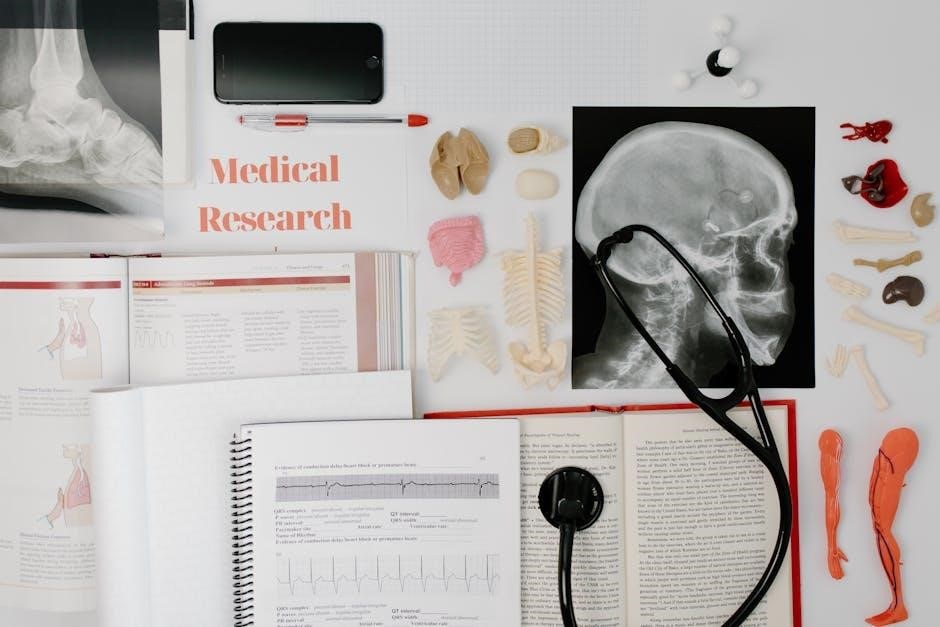
Human Anatomy & Physiology Lab Manual 13th Edition: Overview

This manual, frequently available as a PDF, provides a hands-on approach to learning human anatomy and physiology. Numerous editions, including the 13th, feature detailed illustrations and practical exercises.
Resources like Medicineebook.com and Dishcuss.com showcase the manual’s cover, indicating its widespread use in educational settings, often in cat or pig versions.
Target Audience & Course Level
The 13th edition of this human anatomy and physiology lab manual is primarily designed for undergraduate students enrolled in introductory-level anatomy and physiology courses. These courses are typically taken by students pursuing degrees in fields such as nursing, allied health professions – including physical therapy and occupational therapy – biology, and pre-med tracks.
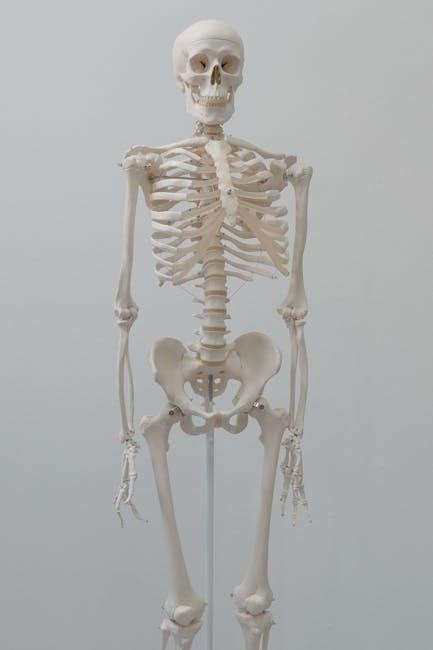
The manual caters to both one-semester and two-semester courses, with the flexibility to adapt exercises based on the course’s scope. It’s suitable for students with varying levels of prior science background, offering clear instructions and visual aids. The availability of the PDF version enhances accessibility for diverse learning styles and remote study. The content assumes a foundational understanding of basic chemistry and biology, building upon these concepts to explore the intricacies of the human body.
Key Features of the 13th Edition
The 13th edition of the Human Anatomy & Physiology Lab Manual boasts several enhancements. High-quality, full-color illustrations and photographs provide detailed visual guidance for dissections and identification of anatomical structures. Practical exercises are designed to reinforce learning and develop critical thinking skills. The manual often includes pre-lab quizzes and review sheets to aid student preparation.
A significant feature is the availability in both cat and pig versions, catering to different institutional preferences and ethical considerations. The PDF format allows for convenient access and digital annotation. Updated content reflects the latest advancements in the field, ensuring students receive current information. Many resources, like those found on Medicineebook.com, highlight the manual’s comprehensive nature and its role in supporting effective laboratory learning.
Cat vs. Pig Version: A Comparison
The 13th edition of the Human Anatomy & Physiology Lab Manual is notably offered in both cat and pig dissections. The cat version, frequently depicted in online resources like Medicineebook.com, provides a closer anatomical resemblance to humans, particularly in skeletal and muscular systems. This similarity aids in understanding human anatomy through comparative study.
Conversely, the pig version offers advantages in terms of size and ease of dissection, making it suitable for introductory labs. While anatomical differences exist, the pig’s organ systems are readily identifiable and provide a solid foundation for understanding physiological principles. The choice between the two often depends on institutional preference, budgetary constraints, and pedagogical goals. Both versions, often available as a PDF, aim to deliver a comprehensive and effective learning experience.
Organization of Lab Exercises
The 13th edition’s lab exercises are systematically organized by body system, mirroring the typical sequence of anatomy and physiology courses. Each lab begins with pre-lab quizzes and background information, setting the stage for hands-on activities. These activities range from dissection – utilizing specimens like those featured in images from sources like Medicineebook.com – to physiological measurements and microscopic observations.
Exercises are designed to reinforce lecture material and develop critical thinking skills; Many labs include data collection and analysis components, fostering a scientific approach to learning. The manual, often found as a PDF, incorporates visual aids like anatomical charts and diagrams to enhance understanding. Post-lab questions assess comprehension and encourage students to apply their knowledge. The structure promotes a progressive learning experience, building upon foundational concepts.
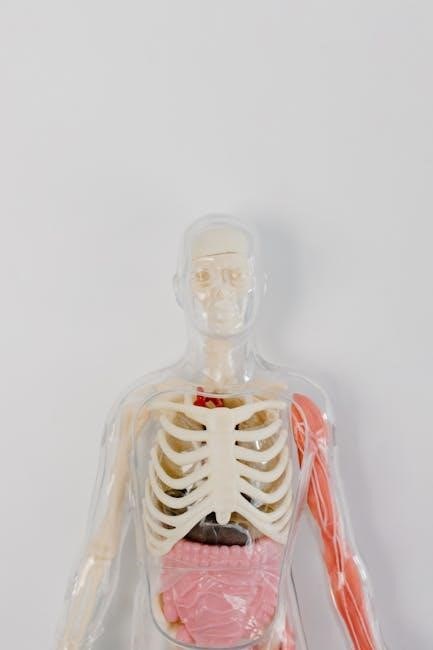
Body Systems Covered
The manual, often a PDF, comprehensively explores all major body systems, including skeletal, muscular, nervous, cardiovascular, and respiratory, with detailed lab exercises.
Skeletal System Labs
Skeletal system labs within the Human Anatomy & Physiology Lab Manual, 13th Edition – frequently accessed as a PDF – provide a foundational understanding of bone structure, classification, and articulation. Students typically identify bones, bony markings, and features using models, charts, and occasionally, skeletal remains.
Lab exercises focus on the axial and appendicular skeletons, emphasizing the relationships between bone shape and function. Practical applications include analyzing skeletal trauma, determining sex and age from skeletal features, and studying common skeletal disorders. The manual guides students through identifying different types of joints – fibrous, cartilaginous, and synovial – and understanding their range of motion.
Detailed illustrations and step-by-step dissection instructions (where applicable) enhance the learning experience. Resources like those found on Medicineebook.com showcase the visual components integral to mastering skeletal anatomy. These labs are crucial for building a strong base for understanding movement, support, and protection within the human body.
Muscular System Labs
Muscular system labs in the Human Anatomy & Physiology Lab Manual, 13th Edition – often found as a PDF download – emphasize the structure, function, and organization of skeletal muscles. Students learn to identify major muscles, their origins, insertions, and actions, utilizing anatomical charts and models.
Lab activities commonly involve muscle dissection (depending on the version – cat or pig), microscopic examination of muscle tissue, and physiological experiments to measure muscle contraction strength and endurance. The manual guides students through understanding muscle fiber types and their roles in different activities.
Key concepts explored include the sliding filament theory, neuromuscular junctions, and the effects of exercise on muscle performance. Resources like those highlighted on various ebook platforms demonstrate the detailed illustrations used to visualize muscle anatomy. These labs are essential for comprehending movement, posture, and overall body mechanics.
Nervous System Labs
Nervous system labs within the Human Anatomy & Physiology Lab Manual, 13th Edition – frequently accessed as a PDF – focus on the brain, spinal cord, and peripheral nerves. Students learn to identify cranial nerves, brain regions, and spinal cord structures through dissection (cat or pig versions) and model analysis.
Lab exercises include examining prepared slides of nervous tissue, tracing neural pathways, and conducting experiments to assess reaction time and reflexes. The manual guides students in understanding the functional organization of the nervous system, including sensory and motor pathways.
Key concepts covered are neuron structure, synaptic transmission, and the role of neurotransmitters. Online resources showcasing the manual’s content highlight detailed diagrams of the brain and spinal cord. These labs are crucial for understanding how the nervous system controls body functions and enables responses to stimuli.
Cardiovascular System Labs
Cardiovascular system labs in the Human Anatomy & Physiology Lab Manual, 13th Edition – often found as a PDF – emphasize the heart, blood vessels, and blood. Students dissect hearts (pig or cat) to identify chambers, valves, and major vessels. They learn to trace blood flow through the circulatory system.
Lab activities include measuring blood pressure, pulse rate, and analyzing blood samples. The manual guides students in understanding cardiac physiology, including the cardiac cycle and electrocardiography (ECG). Microscopic examination of blood components – erythrocytes, leukocytes, and platelets – is also a key component.
Core concepts explored are hemodynamics, vascular resistance, and the regulation of blood pressure. Resources displaying the manual’s images showcase detailed illustrations of the heart’s anatomy and coronary circulation. These labs build a foundational understanding of how the cardiovascular system delivers oxygen and nutrients throughout the body.
Respiratory System Labs
Respiratory system labs within the Human Anatomy & Physiology Lab Manual, 13th Edition – frequently accessed as a PDF – focus on the anatomy and function of the lungs and airways. Dissections, often utilizing preserved specimens, allow students to identify structures like the trachea, bronchi, and alveoli.
Practical exercises include measuring lung volumes using spirometers and analyzing respiratory rates and depths. The manual guides students through understanding gas exchange principles and the mechanics of breathing. Microscopic examination of lung tissues reveals alveolar structure and the respiratory membrane.
Key concepts covered are ventilation, perfusion, and the regulation of respiration. Images from resources showcasing the manual demonstrate detailed diagrams of the respiratory pathways. These labs solidify understanding of how the respiratory system facilitates oxygen intake and carbon dioxide removal, vital for cellular respiration.
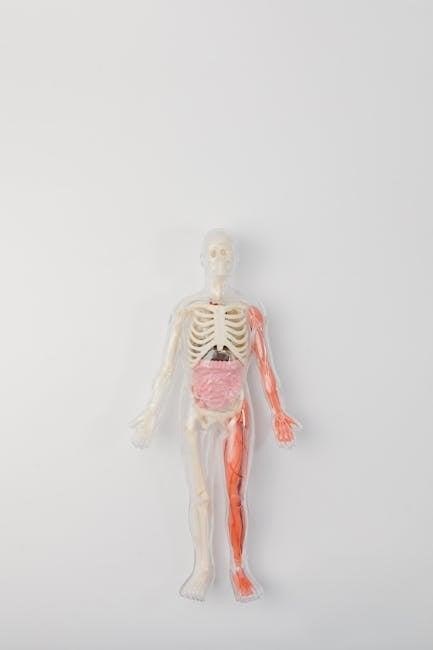
Lab Techniques & Equipment
The 13th edition PDF emphasizes microscopy, dissection, and physiological measurements. Students utilize models and charts to enhance anatomical understanding and practical skills.
Microscopy Techniques
The 13th edition’s PDF version dedicates significant attention to mastering microscopy techniques, a cornerstone of anatomical study. Students learn proper slide preparation, staining procedures, and the fundamentals of both light and potentially electron microscopy, depending on the lab’s resources.
Detailed instructions guide users through focusing, magnification adjustments, and identifying various tissue types and cellular structures. The manual emphasizes recognizing key features under the microscope, crucial for understanding physiological processes at a microscopic level.
Practical exercises often involve observing prepared slides of human tissues – epithelial, connective, muscular, and nervous – allowing students to correlate microscopic anatomy with macroscopic structures. The PDF format facilitates easy access to detailed diagrams and illustrations, aiding in accurate identification and comprehension. Furthermore, troubleshooting common microscopy issues is addressed, ensuring successful lab experiences.
Dissection Procedures
The Human Anatomy & Physiology Lab Manual 13th Edition PDF provides comprehensive, step-by-step dissection procedures, typically utilizing preserved specimens – often cat or pig, depending on the version. These procedures are designed to reinforce anatomical knowledge gained through lectures and models.
Detailed illustrations and clear instructions guide students through the careful dissection of various body systems, emphasizing proper technique and safety protocols. The manual stresses identifying key anatomical structures, understanding their relationships, and appreciating the three-dimensional arrangement of organs.
Students learn to use dissection tools correctly and efficiently, minimizing tissue damage and maximizing learning. The PDF format allows for easy referencing of diagrams during the dissection process. Emphasis is placed on ethical considerations regarding the use of animal specimens and responsible disposal of biological waste, ensuring a respectful and safe learning environment.
Physiological Measurements
The Human Anatomy & Physiology Lab Manual 13th Edition PDF incorporates a strong emphasis on physiological measurements, bridging the gap between anatomical structures and their functional roles. Labs guide students through experiments designed to assess various bodily functions, utilizing both manual and computerized techniques.
Common measurements include heart rate, blood pressure, respiratory rate, and nerve conduction velocity. The manual details proper experimental setup, data collection methods, and data analysis techniques. Students learn to interpret physiological data, identify potential sources of error, and draw meaningful conclusions about the body’s responses to stimuli.
The PDF version facilitates easy access to detailed protocols and data recording sheets. Emphasis is placed on understanding the underlying physiological principles behind each measurement and relating them back to anatomical structures. This hands-on approach fosters a deeper understanding of how the human body functions in health and disease.
Use of Models & Anatomical Charts
The 13th Edition PDF of the Human Anatomy & Physiology Lab Manual heavily integrates the use of anatomical models and charts to enhance student comprehension. These visual aids complement dissection exercises and provide a three-dimensional understanding of complex structures.
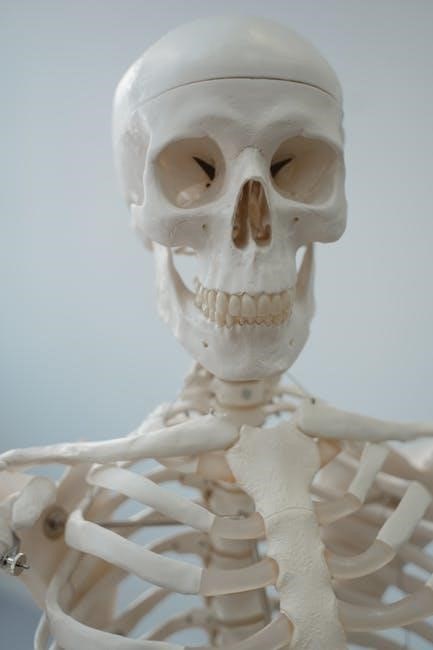
Labs utilize a variety of models, ranging from full-body anatomical mannequins to individual organ replicas. Students learn to identify anatomical landmarks, trace pathways, and understand spatial relationships. Anatomical charts, often included within the PDF, serve as valuable references during lab sessions and for self-study.
The manual guides students on how to effectively utilize these resources, emphasizing the correlation between model features and actual anatomical structures. This approach reinforces learning and prepares students for clinical applications where visualization is crucial. The PDF format allows for easy zooming and detailed examination of chart illustrations.
Supplemental Materials
The 13th Edition PDF often includes online resources, lab report guidelines, and crucial safety protocols, enhancing the learning experience and ensuring responsible lab practices.
Online Resources & Website Access
Accessing supplemental materials for the Human Anatomy & Physiology Lab Manual, 13th Edition, frequently involves utilizing publisher-provided online resources. These digital components often complement the PDF version, offering interactive quizzes, detailed animations of physiological processes, and additional practice exercises to reinforce learning.
While direct links aren’t consistently provided in search results, platforms like Medicineebook.com and Dishcuss.com, showcasing the manual, suggest associated websites exist for instructors and students. These sites typically require registration or access codes obtained with the purchase of a new textbook.
Website access may include virtual labs, allowing students to perform experiments remotely, and downloadable datasets for analysis. Be cautious of unofficial websites offering downloads, as these may contain outdated or inaccurate information, or even pose security risks. Always prioritize resources from reputable sources to ensure the integrity of your studies.
Furthermore, instructors often utilize Learning Management Systems (LMS) like Canvas or Blackboard to distribute additional materials and assignments related to the lab manual.
Lab Report Guidelines
Successful completion of labs utilizing the Human Anatomy & Physiology Lab Manual, 13th Edition, often requires submitting detailed lab reports. These reports typically demand a structured format, including a clear introduction outlining the experiment’s purpose, followed by a comprehensive materials and methods section detailing the procedures used.
Results should be presented objectively, utilizing tables, graphs, and figures derived from observations and measurements. A thorough discussion section is crucial, interpreting the findings, comparing them to expected outcomes, and addressing any discrepancies.
Proper referencing is essential, acknowledging sources used for background information or data analysis. While the PDF version of the manual itself doesn’t explicitly detail report formatting, instructors generally provide specific guidelines.
Pay close attention to clarity, conciseness, and accuracy in your writing. Adhering to these guidelines ensures effective communication of scientific findings and demonstrates a strong understanding of the lab’s objectives.
Safety Protocols in the Lab
Prioritizing safety is paramount when performing labs based on the Human Anatomy & Physiology Lab Manual, 13th Edition. While the PDF version of the manual may contain basic safety reminders, comprehensive protocols are typically outlined by your instructor and institutional guidelines.
Essential precautions include wearing appropriate personal protective equipment (PPE) – lab coats, gloves, and eye protection – at all times. Proper handling and disposal of specimens, chemicals, and sharp instruments are crucial to prevent contamination and injury.
Awareness of potential hazards, such as biohazards and chemical risks, is vital. Familiarize yourself with emergency procedures, including the location of safety equipment like eyewash stations and fire extinguishers.
Strict adherence to these protocols ensures a safe learning environment for everyone. Always report any accidents or unsafe conditions to your instructor immediately. Responsible lab practices are fundamental to successful and ethical scientific investigation.

Accessing the PDF Version
Finding the PDF of the Human Anatomy & Physiology Lab Manual, 13th Edition requires caution; legitimate sources are preferred to avoid risks.
Legitimate Sources for PDF Download
Accessing the 13th edition of the Human Anatomy & Physiology Lab Manual in PDF format should prioritize legal and ethical avenues. While direct free downloads are uncommon, several legitimate options exist for students and educators.
Firstly, check with your course instructor or university library. Many institutions purchase digital copies or provide access through learning management systems. Secondly, explore official publisher websites like McGraw-Hill, which may offer the manual for purchase as a PDF or through a subscription service.
Furthermore, reputable online bookstores, such as VitalSource or RedShelf, often carry digital textbooks, including this lab manual. These platforms ensure secure transactions and copyright compliance. Be wary of websites offering “free” PDFs, as these frequently contain malware or violate copyright laws. Always verify the source’s credibility before downloading any digital material. Remember, supporting legitimate sources ensures continued quality and accessibility of educational resources.
Potential Risks of Unauthorized Downloads
Downloading the Human Anatomy & Physiology Lab Manual 13th Edition PDF from unofficial sources carries significant risks. These downloads frequently violate copyright laws, potentially leading to legal repercussions for the user. More immediately concerning is the high probability of encountering malware, viruses, and other malicious software bundled with the file.
These malicious programs can compromise your device’s security, steal personal information, or disrupt its functionality. Unofficial PDFs often have poor formatting, missing pages, or inaccurate content, hindering your learning experience. Furthermore, supporting unauthorized distribution undermines the authors and publishers who invest in creating quality educational materials.
Prioritize your digital safety and academic integrity by opting for legitimate sources. The allure of a “free” PDF is often outweighed by the potential for financial loss, identity theft, and compromised device performance. Always verify the source and consider the risks before downloading any digital textbook.
Copyright & Ethical Considerations

The Human Anatomy & Physiology Lab Manual 13th Edition, like all published works, is protected by copyright law. Unauthorized reproduction, distribution, or use of the PDF version constitutes a violation of these rights, impacting the authors, publishers, and the educational ecosystem. Sharing or downloading from unapproved sources is ethically questionable and potentially illegal.
Respecting copyright ensures continued investment in high-quality educational resources. Authors rely on sales and licensing to support their work, and publishers depend on revenue to fund future editions and improvements. Utilizing legally obtained copies demonstrates academic integrity and supports the principles of intellectual property.
Choosing legitimate avenues for accessing the manual – such as purchasing directly from the publisher or accessing through institutional subscriptions – upholds ethical standards and safeguards the rights of creators. Consider the broader implications of your choices and prioritize lawful access to educational materials.