
La Sierra Physical Fitness Program: A Comprehensive Overview
La Sierra’s renowned program emphasizes holistic wellness, blending rigorous physical training with scientific principles. It’s a system built on high-intensity routines and bodyweight exercises.
Historical Context of the La Sierra Program
The La Sierra physical fitness program boasts a rich history, originating in the mid-20th century as a pioneering approach to physical education. Its roots lie in the innovative methods developed by LeProtti, who sought to establish a comprehensive system for achieving peak physical condition. Initially implemented at La Sierra High School, the program quickly gained recognition for its effectiveness in cultivating exceptional fitness levels among students.
This wasn’t merely about athletic prowess; it was about building robust health and resilience. The program’s early success stemmed from its unique blend of demanding exercises, including high-intensity workouts, calisthenics, and rigorous strength training. The emphasis on a holistic approach, encompassing agility and endurance, set it apart from conventional physical education models of the time. The La Sierra system became a benchmark for fitness standards, influencing training regimens for various groups, including military personnel and firefighters.
The Origins with LeProtti
Loren “LeProtti” was the driving force behind the La Sierra physical fitness program’s inception. A dedicated physical education instructor, he meticulously crafted a system designed to maximize physical capabilities and overall health. Dissatisfied with existing fitness approaches, LeProtti embarked on a quest to develop a more effective and comprehensive methodology.
His approach wasn’t based on theoretical concepts alone; it was forged through practical experimentation and observation. LeProtti integrated a diverse range of exercises, including high-intensity drills, demanding calisthenics, and targeted strength training. He also incorporated agility work and challenging obstacle courses to build well-rounded athleticism. The program’s structure was intentionally rigorous, pushing participants to their limits and fostering a culture of discipline and perseverance. LeProtti’s dedication laid the foundation for the program’s enduring legacy, establishing a standard of fitness that continues to inspire today.
Key Principles of the La Sierra System
The La Sierra system centers around several core principles, prioritizing consistent, challenging physical activity. High-intensity exercise forms the bedrock, demanding maximal effort within short bursts, fostering cardiovascular strength and endurance. Equally crucial is a focus on bodyweight training and calisthenics, building functional strength and control without relying on external weights.
The program isn’t solely about brute force; agility and coordination are honed through specialized drills and obstacle course training. This holistic approach ensures well-rounded physical development. A key tenet is the emphasis on consistency – daily participation is paramount. Furthermore, the system promotes a mindset of discipline and perseverance, encouraging individuals to push beyond perceived limitations. It’s a system designed not just to build physical fitness, but to cultivate mental fortitude and a lifelong commitment to wellness.
Components of the La Sierra Fitness Routine
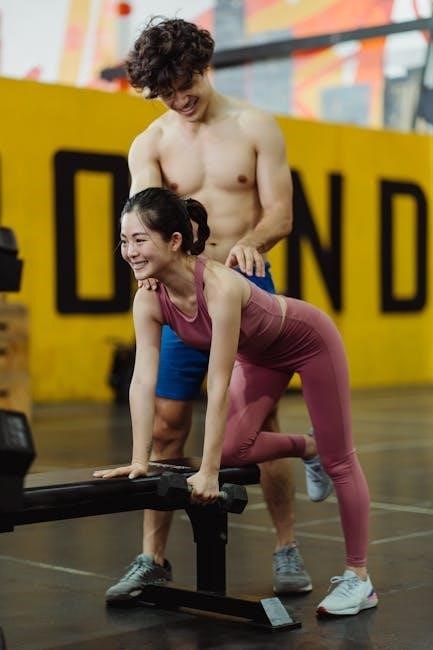
La Sierra’s routine integrates high-intensity workouts, calisthenics, strength training, and agility drills. An obstacle course and rigorous running are also central components.
High-Intensity Exercise as a Core Element
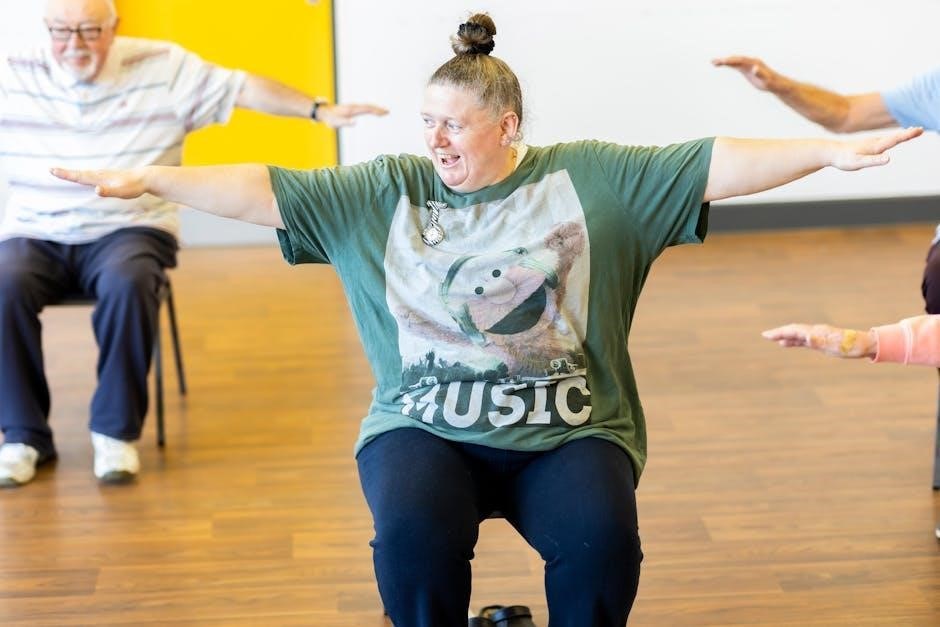
High-intensity exercise forms the bedrock of the La Sierra physical fitness program, distinguishing it from many contemporary approaches. This wasn’t simply about pushing physical limits; it was a deliberate strategy to cultivate a robust and adaptable physique. LeProtti’s system prioritized maximizing physiological impact within a limited timeframe, recognizing the constraints of a daily schedule.
The emphasis wasn’t solely on cardiovascular endurance, though that was certainly a byproduct. Rather, the intensity was designed to stimulate multiple physiological systems simultaneously – cardiovascular, muscular, and neurological; This holistic stimulation fostered not only strength and stamina but also improved coordination, agility, and overall functional fitness; The program’s effectiveness stemmed from consistently challenging the body beyond its comfort zone, prompting continuous adaptation and improvement.
This approach contrasts with more moderate, prolonged exercise regimens, aiming for a greater return on investment in terms of time and effort. The La Sierra method sought to build a foundation of physical resilience capable of withstanding demanding physical tasks and promoting long-term health.
Calisthenics and Bodyweight Training
Calisthenics and bodyweight training were integral components of the La Sierra system, forming the foundation of much of the daily physical regimen. LeProtti skillfully utilized exercises requiring no external equipment, emphasizing functional movements and natural human capabilities. This approach fostered strength, flexibility, and coordination without relying on specialized gym facilities.
The program incorporated a diverse range of calisthenic exercises, including push-ups, pull-ups, sit-ups, and various forms of bodyweight squats and lunges. These exercises were often performed in high repetitions or challenging variations to maximize their effectiveness. Furthermore, the inclusion of peg boards added a unique dimension, demanding grip strength and upper body control.
The emphasis on bodyweight training promoted a deep understanding of biomechanics and body awareness. Participants learned to control their movements with precision and efficiency, building a solid foundation for more advanced physical activities. This focus on fundamental movements remains a cornerstone of effective fitness training today.
Strength Training Methods Employed
While heavily reliant on calisthenics, the La Sierra program didn’t exclude traditional strength training. Though resources were likely limited compared to modern gyms, LeProtti incorporated methods to build substantial muscular strength and endurance. The program’s approach prioritized functional strength, preparing individuals for real-world physical demands.
Details regarding specific weightlifting exercises are scarce, but it’s reasonable to assume the use of available equipment for basic lifts. The focus wasn’t solely on maximal strength; rather, it was on developing a well-rounded physique capable of handling various physical challenges. This included exercises designed to improve core stability and overall body power.
The integration of strength training with high-intensity calisthenics and agility work created a synergistic effect, maximizing overall physical conditioning. This holistic approach ensured that participants developed not only strength but also endurance, flexibility, and coordination – a truly comprehensive fitness regimen.
Agility and Obstacle Course Training
A cornerstone of the La Sierra system was its emphasis on agility and the use of a challenging obstacle course. This wasn’t merely about speed; it was about developing dynamic balance, coordination, and the ability to react quickly to changing conditions. The course likely included elements designed to test a wide range of physical skills, pushing participants beyond their comfort zones.
Exercises such as rope climbs, peg boards, and various jumping and crawling maneuvers were integral components. These challenges demanded both strength and technique, fostering a high level of physical competence. The obstacle course served as a practical application of the fitness principles learned through calisthenics and other training methods.
This element of the program instilled resilience and mental fortitude, as individuals were forced to overcome physical obstacles and persevere through fatigue. It was a crucial aspect in building well-rounded, physically capable individuals prepared for diverse challenges.
Daily Routine Breakdown
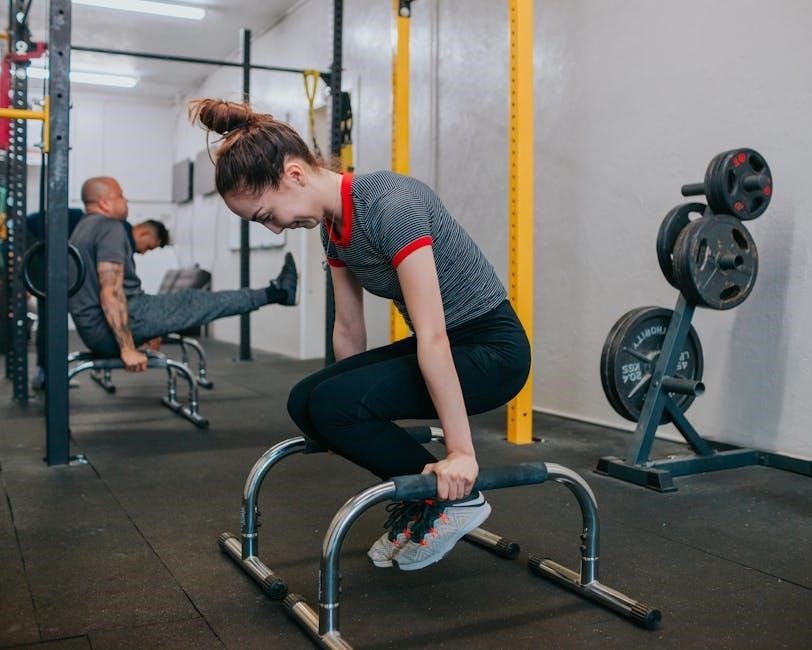
La Sierra’s daily regimen centered around a foundational 400-meter jog, immediately followed by a demanding 12-minute strength-endurance routine, establishing a consistent fitness base.

The 400-Meter Jog
The 400-meter jog served as the initial cornerstone of each day within the La Sierra Physical Fitness Program, functioning as a crucial warm-up and cardiovascular primer. This wasn’t merely a leisurely run; it was executed with purpose, intended to elevate the heart rate and prepare the body for the more strenuous activities that followed.
Its consistent inclusion underscored the program’s emphasis on building a solid aerobic base, essential for overall physical conditioning and endurance. The jog wasn’t about speed, but about establishing a rhythmic, sustainable pace. This daily commitment to running fostered discipline and a foundational level of cardiovascular health amongst participants.
Furthermore, the 400-meter distance was strategically chosen – long enough to provide a meaningful cardiovascular challenge, yet short enough to be completed without excessive fatigue before the subsequent strength and endurance work. It was a vital component in cultivating a culture of consistent physical activity.
The 12-Minute Strength-Endurance Routine
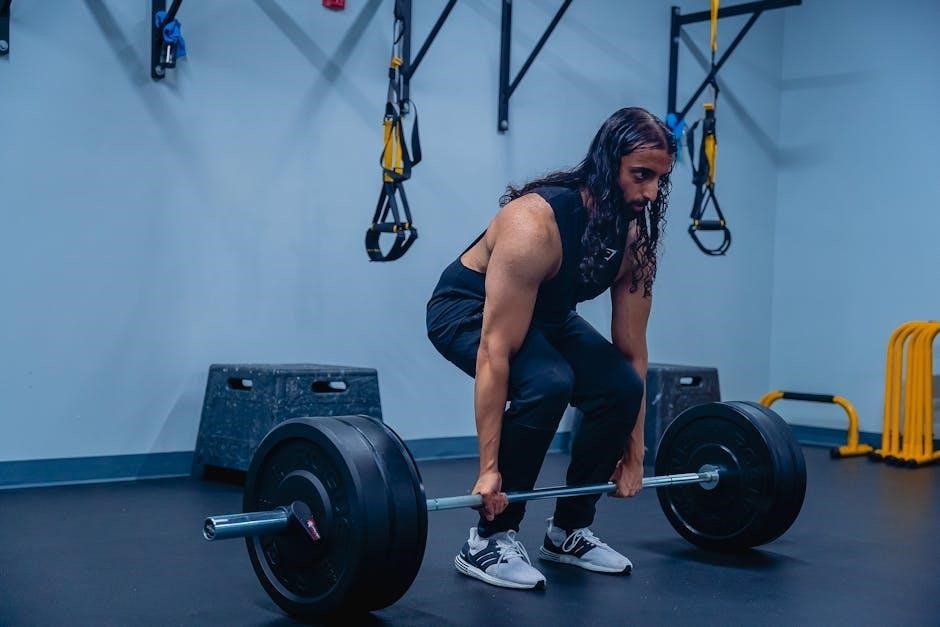
Following the 400-meter jog, participants engaged in a demanding 12-minute strength-endurance routine, forming the core of the La Sierra program’s daily physical training. This wasn’t a typical weightlifting session; it focused on maximizing repetitions of bodyweight exercises within a strict time limit.
The routine was designed to challenge muscular endurance, cardiovascular fitness, and mental fortitude simultaneously. It demanded a relentless pace and minimal rest, pushing individuals to their physical limits. This intense burst of activity fostered significant improvements in strength, stamina, and overall physical conditioning.
The specific exercises varied, but consistently included calisthenics like push-ups, sit-ups, and squats, performed to exhaustion within the allotted timeframe. This approach created a truly remarkable standard of physical fitness, emphasizing efficiency and maximizing results in a short period.

La Sierra University’s Modern Health and Exercise Science Program
La Sierra’s program equips students with knowledge and skills to promote wellness and fitness. It combines science-based coursework with practical, hands-on training experiences.
Undergraduate Areas of Study
La Sierra University offers a robust Health and Exercise Science program designed to prepare students for diverse careers focused on wellness and physical fitness. The curriculum provides a strong foundation in exercise physiology, biomechanics, and nutrition, equipping students with the scientific knowledge necessary to assess and improve human performance.
Students delve into areas like kinesiology, learning about the mechanics of body movement, and explore the principles of healthy lifestyles. The program emphasizes a holistic approach, recognizing the interconnectedness of physical, mental, and social well-being. Practical experience is a cornerstone, with opportunities for hands-on training in fitness assessment, program design, and rehabilitation techniques.
Graduates are prepared for roles such as personal trainers, exercise physiologists, wellness coaches, and strength and conditioning specialists. Further studies can lead to careers in physical therapy, occupational therapy, or other allied health professions. The program’s focus on both theoretical understanding and practical application ensures graduates are well-equipped to make a positive impact on the health and fitness of individuals and communities.
Focus on Holistic Health and Wellness
La Sierra University’s Health and Exercise Science program distinguishes itself through a commitment to holistic health, extending beyond mere physical fitness. This approach acknowledges the intricate interplay between physical, emotional, spiritual, and social dimensions of well-being. Students learn to assess and address the whole person, recognizing that true wellness requires balance in all areas of life.
The curriculum integrates principles of preventative healthcare, stress management, and healthy lifestyle choices. Emphasis is placed on fostering positive behavioral changes and empowering individuals to take ownership of their health. Students explore the impact of nutrition, sleep, and mindfulness on overall wellness, gaining a comprehensive understanding of factors influencing health outcomes.
This holistic perspective prepares graduates to provide client-centered care, tailoring programs to meet individual needs and goals. It also equips them to promote wellness within communities, advocating for policies and initiatives that support healthy lifestyles. The program’s dedication to holistic health reflects a belief in the inherent value of each person and their potential for optimal well-being.
Recent Developments: New Fitness Center
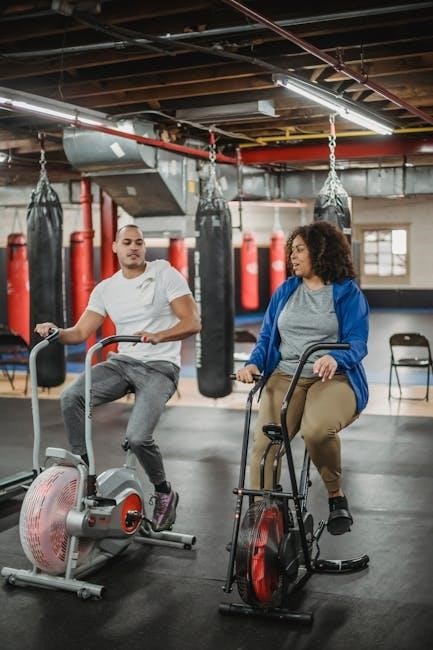
La Sierra University recently invested in a state-of-the-art fitness center, complete with new gym flooring, enhancing resources for Health & Exercise Science students.
University Investment in Fitness Facilities
La Sierra University demonstrated a significant commitment to student health and academic advancement through substantial investment in its fitness facilities. The recent upgrades, unveiled in late 2023, included a completely renovated fitness center and the installation of new, high-quality gym flooring. This modernization wasn’t merely cosmetic; it directly supports the practical learning experiences within the Health & Exercise Science program.
Interim President Richard Osborn highlighted the importance of these improvements during the grand opening festivities, emphasizing the university’s dedication to providing students with cutting-edge resources. The new center offers expanded space for training, advanced equipment for exercise physiology studies, and enhanced facilities for conducting research. This investment allows students to apply theoretical knowledge in a real-world setting, preparing them for successful careers in fitness, wellness, and related fields. The upgraded facilities are a testament to La Sierra’s ongoing commitment to holistic student development.
Impact on Health & Exercise Science Students
The newly renovated fitness center at La Sierra University profoundly impacts students enrolled in the Health & Exercise Science program. The upgraded facilities provide an unparalleled hands-on learning environment, directly enhancing their practical skills and professional preparation. Students now have access to state-of-the-art equipment for conducting research in exercise physiology, biomechanics, and strength & conditioning.
Professor Rob Thomas, a key figure in the program, utilizes the new center for demonstrations and student training, bridging the gap between classroom theory and real-world application. The expanded space allows for larger class sizes and more individualized attention. Furthermore, the improved facilities attract higher-caliber students and faculty, elevating the program’s overall reputation. This investment ensures graduates are well-equipped to excel in diverse careers, including personal training, rehabilitation, and wellness management, solidifying La Sierra’s position as a leader in health and exercise science education.
Certifications and Professional Resources
La Sierra offers students pathways to certifications like Youth Fitness Specialist, ACSM, and Health Fitness credentials, boosting career prospects and expertise.
Youth Fitness Specialist Certification
La Sierra University recognizes the growing need for qualified professionals dedicated to improving the health and fitness of young people. Consequently, the university supports students in obtaining the Youth Fitness Specialist Certification. This specialized credential equips individuals with the knowledge and skills necessary to design and implement safe, effective, and age-appropriate exercise programs for children and adolescents.
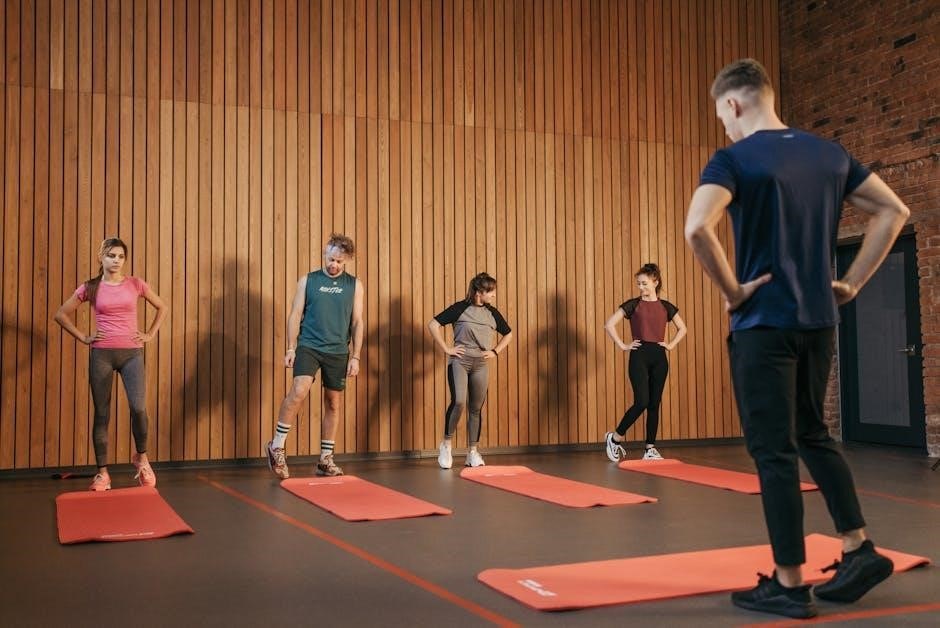
The certification process typically involves a comprehensive curriculum covering topics such as pediatric exercise physiology, growth and development, injury prevention, and motivational techniques. Successful completion demonstrates a commitment to understanding the unique needs of young athletes and fitness enthusiasts.
Graduates with this certification are well-prepared for roles in schools, community centers, sports organizations, and private fitness facilities, where they can positively impact the physical activity levels and overall well-being of the next generation. It complements the broader Health and Exercise Science program at La Sierra, providing a valuable specialization.
ACSM and Health Fitness Certifications
La Sierra University’s Health and Exercise Science program actively prepares students for professional certification through esteemed organizations like the American College of Sports Medicine (ACSM). Obtaining ACSM certifications demonstrates a high level of competence and credibility within the fitness industry, enhancing career prospects for graduates.
Specifically, students are encouraged to pursue Health Fitness Certifications offered by ACSM, which validate expertise in designing and implementing individualized exercise programs for diverse populations. These certifications cover areas such as fitness assessment, exercise prescription, and behavior modification strategies.
Furthermore, the curriculum is structured to align with ACSM standards, providing a solid foundation for successful certification candidacy. La Sierra recognizes the value of these credentials, empowering students to become leading professionals dedicated to promoting health and wellness through evidence-based practice and ethical conduct. This commitment to quality education ensures graduates are well-equipped to excel in their chosen careers.