Brinkmann Smoke N Grill Manual: A Comprehensive Guide
Discover essential resources for your grill, including downloadable manuals from the Internet Archive and ManualsLib, covering various models and offering detailed instructions.
Brinkmann Smoke N Grill represents a long-standing tradition of outdoor cooking, offering a diverse range of grills and smokers designed for both novice and experienced pitmasters. These appliances, including the popular Smoke N Pit models and the Stillwater Charcoal/Wood Smoker & Grill, have become staples in backyards across the nation. Understanding your specific Brinkmann model is crucial for optimal performance and safety.
Accessing the correct manual is the first step towards mastering your grill. Fortunately, numerous online resources, such as the Internet Archive and ManualsLib, provide free downloadable manuals for a wide variety of Brinkmann products. These manuals contain vital information regarding assembly, operation, maintenance, and troubleshooting. Whether you need to identify parts, learn temperature control techniques, or address common issues, a comprehensive guide is readily available. Proper utilization of these resources ensures a rewarding and safe grilling experience.
Understanding Different Brinkmann Models
Brinkmann offers a spectrum of grills and smokers, each with unique features and capabilities. The Smoke N Pit series, including the Pitmaster, is renowned for its heavy-duty construction and versatility in both grilling and smoking. Conversely, the Stillwater Charcoal/Wood Smoker & Grill focuses on delivering authentic smoky flavors. Identifying your specific model is paramount, as assembly procedures, parts lists, and operational instructions vary significantly.
Manuals available online, like those found on the Internet Archive and ManualsLib, are often model-specific. The Pitmaster manual, for example, details the nuances of its robust design, while the Stillwater manual emphasizes wood and charcoal usage. Carefully review the manual corresponding to your unit to ensure correct assembly and safe operation. Ignoring model-specific instructions can lead to improper function, reduced performance, or even safety hazards.
Locating Your Specific Manual
Finding the correct manual for your Brinkmann Smoke N Grill is crucial for safe and effective operation. The Internet Archive provides a valuable resource, offering downloadable files in various formats – PDF, JSON, and even single-page processed JP2 ZIPs – for numerous models. ManualsLib is another excellent source, hosting owner’s manuals like the SmokeN Pit pitmaster guide.
When searching, be precise with your model number. If you lack this information, carefully compare your grill’s features to images and descriptions accompanying the available manuals. Download and review the document to confirm it matches your unit. Remember that manuals are often categorized by model name and year of manufacture. Utilizing targeted search terms will significantly streamline the process, ensuring you access the correct instructions for your Brinkmann grill or smoker.
Safety Precautions & Warnings
Prioritize safety by reviewing manual guidelines regarding ventilation, charcoal handling, and potential carbon monoxide risks, ensuring a secure grilling experience always.
General Safety Guidelines
Before operating your Brinkmann Smoke N Grill, carefully read the entire owner’s manual to fully understand its features and safe operation. Always assemble the grill on a level, non-combustible surface, away from flammable materials like wood decks or overhanging branches.
Never leave a lit grill unattended. Keep children and pets a safe distance away during operation and while the grill is still hot. Use heat-resistant gloves and tools when handling hot components. Be mindful of the grill’s stability, especially on uneven surfaces, to prevent tipping.
Ensure proper ventilation to avoid carbon monoxide poisoning – never use the grill indoors or in enclosed spaces. Regularly inspect the grill for any damage or worn parts, and replace them promptly. Follow all local fire codes and regulations regarding outdoor grilling. Disposing of ashes should be done carefully in a metal container with a lid.
Proper Ventilation & Carbon Monoxide
Brinkmann Smoke N Grill units must be used outdoors only. Never operate the grill inside a garage, shed, basement, or any enclosed area, even with ventilation. Charcoal and wood combustion produce carbon monoxide (CO), a colorless, odorless gas that can be fatal.
Adequate ventilation is crucial. Position the grill where there is ample airflow, away from windows, doors, and air intakes. Be aware of wind direction to prevent smoke from blowing towards occupied areas. Regularly inspect the grill’s ventilation openings to ensure they are not blocked.
Recognize the symptoms of CO poisoning: headache, dizziness, weakness, nausea, vomiting, chest pain, and confusion. If anyone experiences these symptoms, immediately move them to fresh air and seek medical attention. Consider installing a CO detector in the vicinity of the grilling area as a safety precaution.
Safe Handling of Charcoal & Wood
Always exercise caution when handling charcoal and wood. Store fuel in a cool, dry place, away from combustible materials and sources of ignition. Never use gasoline, kerosene, or other flammable liquids to start or accelerate the fire; use only approved charcoal starters.
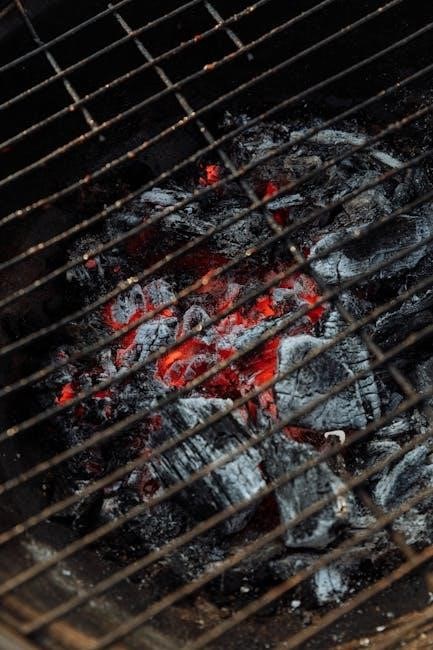
When adding charcoal or wood to a lit grill, use long-handled tools to avoid burns. Be mindful of hot embers and ash, which can remain hot for a considerable time after grilling. Dispose of cooled ashes properly in a metal container with a lid, away from the house and flammable materials.
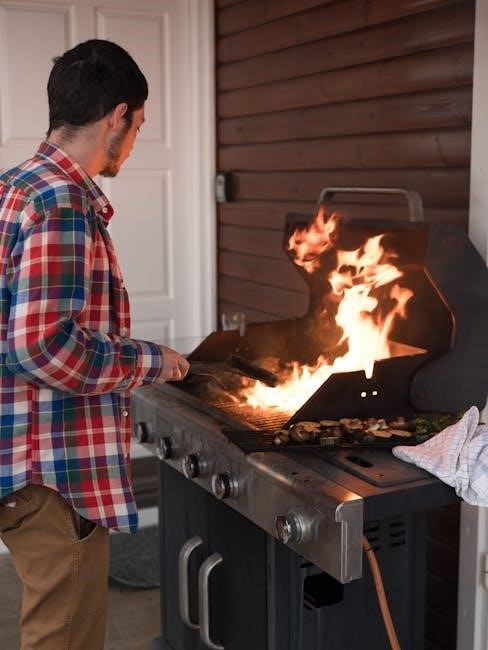
Avoid creating large flames or excessive smoke. Use appropriate amounts of fuel for the desired cooking temperature and duration. Never leave a lit grill unattended, and keep children and pets at a safe distance. Wear appropriate protective gear, such as heat-resistant gloves, when handling hot components.
Assembly & Setup
Begin by carefully unboxing all components and identifying each part. Follow the step-by-step instructions for proper assembly, and complete an initial burn-in.
Unboxing and Parts Identification
Carefully unpack your new Brinkmann Smoke N Grill, ensuring you have ample space to avoid damaging any components. Begin by inspecting the box for any visible signs of shipping damage before opening it. Once opened, systematically remove each part and compare it against the parts list included in your manual – a crucial first step!
Identify the grill body, lid, cooking grates, charcoal grate, warming rack, and any included accessories like side shelves or tool hooks. Pay close attention to smaller parts such as screws, bolts, washers, and nuts, organizing them neatly to prevent loss. The manual will often include diagrams illustrating each part, making identification easier.
Confirm that all listed parts are present. If anything is missing or damaged, immediately contact the retailer or Brinkmann customer support for assistance. Do not attempt assembly with missing or damaged components, as this could compromise the grill’s structural integrity and safety. Proper identification sets the stage for a smooth assembly process.
Step-by-Step Assembly Instructions
Begin the assembly process by referencing the detailed diagrams in your Brinkmann Smoke N Grill manual. Typically, the first step involves attaching the legs to the grill body using the provided bolts and washers – ensure they are securely tightened. Next, assemble the lower shelf, if included, following the manual’s specific instructions for proper alignment.
Proceed to install the charcoal grate and warming rack, ensuring they fit snugly within the grill body. Carefully attach the lid, aligning the hinges correctly and securing them with the appropriate hardware; If your model includes side shelves, attach them now, verifying their stability.
Double-check all connections, tightening any loose bolts or screws. A properly assembled grill is crucial for safe and efficient operation. Refer to the manual frequently throughout the process, and don’t hesitate to seek assistance if you encounter difficulties. A methodical approach ensures a successful build.
Initial Burn-In Procedure
Before your first cookout, perform a crucial initial burn-in to eliminate any manufacturing residues and season the grill. Start by lighting a small charcoal fire within the Brinkmann Smoke N Grill, allowing it to burn for approximately 30-60 minutes. This process heats the metal, aiding in the breakdown of protective coatings applied during manufacturing.
Monitor the smoke emitted during the burn-in; it will likely have a slight odor initially, which should dissipate as the process continues. Avoid cooking during this phase. After the burn-in, allow the grill to cool completely before cleaning the grates with a wire brush.
This seasoning process creates a protective layer, preventing rust and enhancing the flavor of future meals. Repeat the burn-in if a noticeable odor persists. A thorough initial burn-in ensures a safe and flavorful grilling experience.
Operating Instructions
Master lighting techniques, temperature control, and understand the distinctions between smoking and grilling with your Brinkmann, ensuring optimal results for every culinary creation.
Lighting the Charcoal/Wood
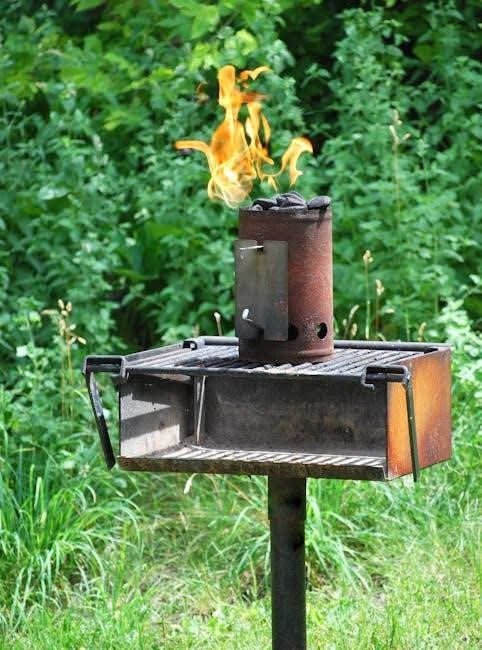
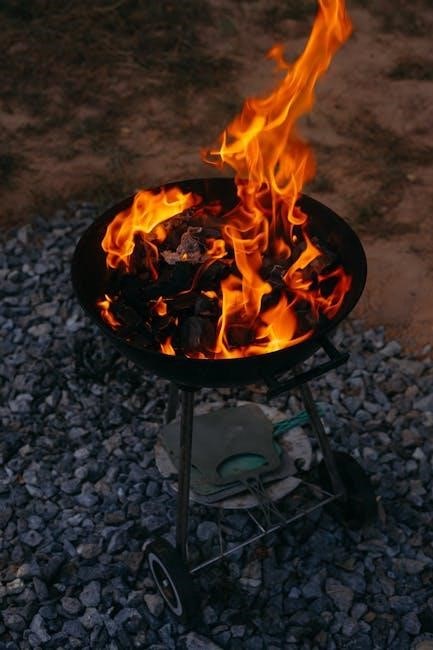
Achieving a consistent and reliable start is crucial for successful grilling and smoking. Begin with a generous pile of charcoal or wood, arranged in a pyramid shape within the fire grate. Utilize a chimney starter for efficient ignition; fill it with charcoal, place fire starters underneath, and ignite them.
Allow the charcoal to burn until covered in a gray ash, typically 15-20 minutes. Carefully pour the hot coals into the grill, spreading them evenly or creating zones for direct and indirect heat. For wood, consider soaking wood chips in water for at least 30 minutes before adding them to the coals to produce more smoke.
Alternatively, you can use lighter fluid, but exercise extreme caution and ensure the fluid has completely burned off before adding food. Never add more lighter fluid to burning coals. Consistent airflow is vital; adjust vents to control the burn rate and temperature.
Temperature Control Techniques
Mastering temperature control is key to perfect results with your Brinkmann. Utilize the adjustable vents – more air equals higher temperatures, less air lowers them. Begin with smaller adjustments, allowing time for the temperature to stabilize before making further changes.
For consistent low and slow smoking, maintain a partially open damper. For searing or high-heat grilling, fully open the vents. Creating zones within the grill – a hot side and a cool side – allows for versatile cooking. Place coals primarily on one side for indirect heat, ideal for larger cuts of meat.
A reliable thermometer is essential; monitor the grill’s internal temperature regularly. Remember that ambient temperature and wind can also affect heat levels, requiring further adjustments to the vents. Practice and observation will refine your technique.
Smoking vs. Grilling – Key Differences
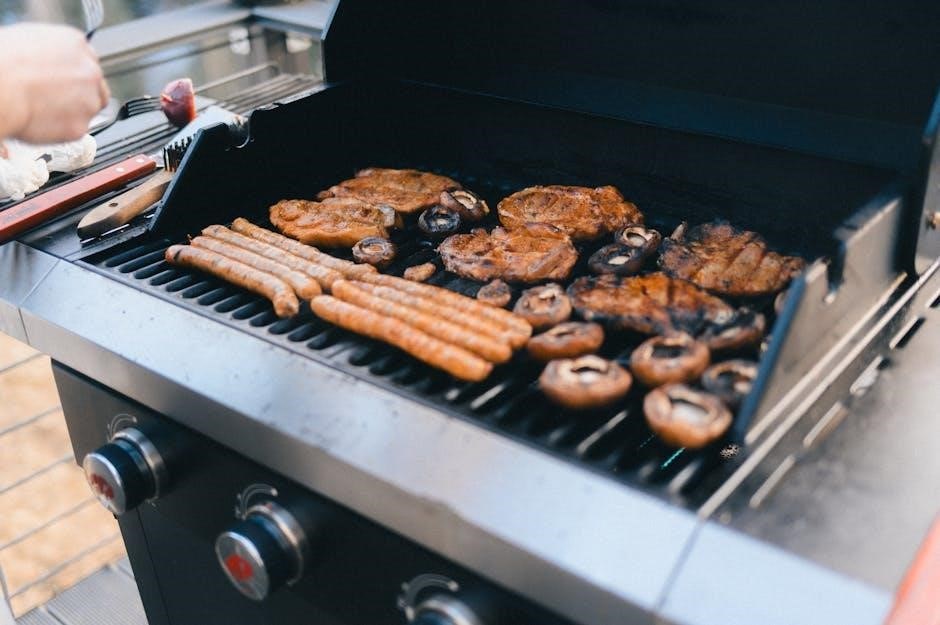
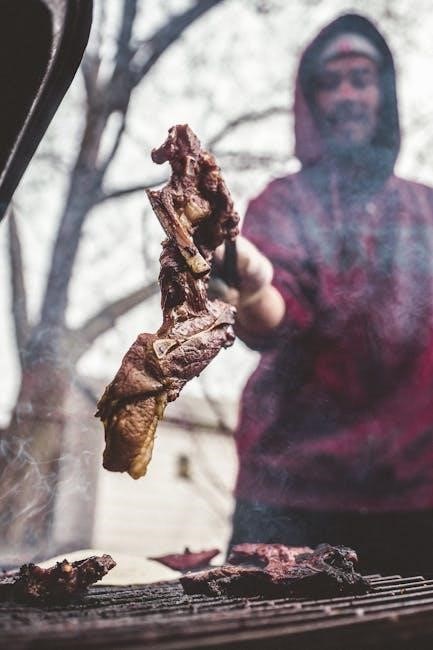
Understanding the distinction between smoking and grilling unlocks your Brinkmann’s full potential. Grilling utilizes high, direct heat for quick cooking, searing meats and vegetables, typically under 30 minutes. Smoking, conversely, employs low, indirect heat and wood smoke for extended periods – often hours – to impart flavor and tenderize tougher cuts.
With grilling, the food is directly over the heat source. Smoking requires a heat source offset to one side, with wood chunks or chips added to generate smoke. Temperature is crucial; grilling aims for 400°F+, while smoking typically stays between 225-275°F.
The goal of grilling is a browned exterior and cooked interior. Smoking focuses on infusing the food with smoky flavor and achieving fall-off-the-bone tenderness. Both methods deliver delicious results, but require different techniques.
Maintenance & Cleaning
Regular upkeep ensures longevity; cleaning procedures, rust prevention, and proper storage are vital for maintaining your Brinkmann Smoke N Grill’s performance and condition.
Regular Cleaning Procedures
Consistent cleaning is paramount for optimal performance and extending the life of your Brinkmann Smoke N Grill. After each use, allow the grill to cool completely before beginning. Remove ash and leftover charcoal or wood from the firebox, disposing of them safely in a metal container.
Scrape the grill grates with a wire brush to remove any food residue. For stubborn buildup, a grill grate cleaner can be utilized, ensuring thorough rinsing afterward. Wipe down the exterior surfaces with a damp cloth and mild detergent. Pay attention to grease traps and remove any accumulated grease.
Inspect and clean the smoker box regularly, removing any creosote buildup. A thorough cleaning every few uses will prevent flare-ups and maintain consistent smoking temperatures. Remember to season the grates lightly with cooking oil after cleaning to prevent rusting and food sticking.
Rust Prevention & Treatment
Protecting your Brinkmann Smoke N Grill from rust is crucial for longevity. Regularly oiling the grill grates after cleaning creates a protective barrier against moisture. Store the grill covered when not in use, shielding it from rain and humidity. Consider a breathable grill cover to prevent condensation buildup.
If rust appears, address it promptly. Begin by removing loose rust with a wire brush or sandpaper. Clean the affected area thoroughly with a rust remover, following the product’s instructions carefully. After removing the rust, apply a high-temperature paint specifically designed for grills to prevent future corrosion.
For minor surface rust, a vinegar and baking soda paste can be effective. Apply, let sit, scrub, and rinse thoroughly. Consistent maintenance and preventative measures are key to keeping your Brinkmann rust-free and ready for years of grilling enjoyment.
Long-Term Storage Guidelines
Preparing your Brinkmann Smoke N Grill for extended storage requires thorough cleaning and protection. Begin by completely removing all ash and debris from the firebox. Clean the grill grates and other components with a grill cleaner, ensuring they are dry before storage. Lightly oil the grates to prevent rust formation.
Cover the grill with a waterproof and breathable grill cover. Store it in a dry, sheltered location, such as a garage or shed, to protect it from the elements. Avoid storing it directly on the ground; elevate it slightly to improve air circulation.
If possible, disassemble certain parts and store them separately to save space and prevent damage. Regularly check the stored grill for any signs of moisture or rust, addressing them promptly to maintain its condition for future use.
Troubleshooting Common Issues
Address problems like lighting difficulties, temperature swings, and smoke control with expert guidance, ensuring optimal performance and delicious results from your Brinkmann grill.
Difficulty Lighting
Experiencing trouble igniting your Brinkmann Smoke N Grill? Several factors could be at play. First, ensure your charcoal or wood is adequately dry; damp fuel resists ignition. Secondly, verify sufficient airflow to the fuel bed – open vents fully during startup.
Check the igniter itself. If using an electric igniter, confirm it’s receiving power and the element isn’t broken. For charcoal chimneys, ensure proper newspaper placement and sufficient heat buildup before dumping the coals.
If using lighter fluid, apply sparingly and allow it to soak in before lighting, avoiding excessive amounts which can create dangerous flare-ups. A well-prepared fire starter, like wax-infused wood wool, can also be beneficial. Finally, consider the type of charcoal; some varieties light more easily than others. Consistent troubleshooting will lead to successful ignition.
Temperature Fluctuations
Maintaining a consistent temperature is crucial for successful grilling and smoking. Brinkmann Smoke N Grill temperature swings often stem from inconsistent fuel levels. Add charcoal or wood gradually, rather than in large quantities, to avoid spikes.
Vent control is paramount. Adjusting the vents regulates airflow, directly impacting temperature. Smaller vent openings reduce airflow, lowering the temperature, while larger openings increase it. Monitor the thermometer closely and make small, incremental adjustments.
External factors like wind and ambient temperature also play a role. Shielding the grill from wind can prevent heat loss. Furthermore, ensure a proper seal around the lid to minimize heat escape. Consistent monitoring and careful vent management are key to stable temperatures.
Smoke Control Problems
Excessive smoke can indicate incomplete combustion, often due to insufficient airflow. Ensure vents are appropriately adjusted – partially open vents provide necessary oxygen for clean burning. Too little air results in thick, white smoke; too much can cause a flare-up.
Wood chunk size and type also matter. Smaller chunks ignite more readily, producing quicker smoke. Hardwoods generally create cleaner smoke than softwoods. Avoid using treated or painted wood, as these release harmful chemicals.
Grease buildup can contribute to smoky flare-ups. Regularly clean the grease trap and grilling grates. A clean grill promotes better airflow and reduces unwanted smoke. Monitoring the smoke color – a thin, blue smoke is ideal – helps gauge combustion efficiency and adjust accordingly.