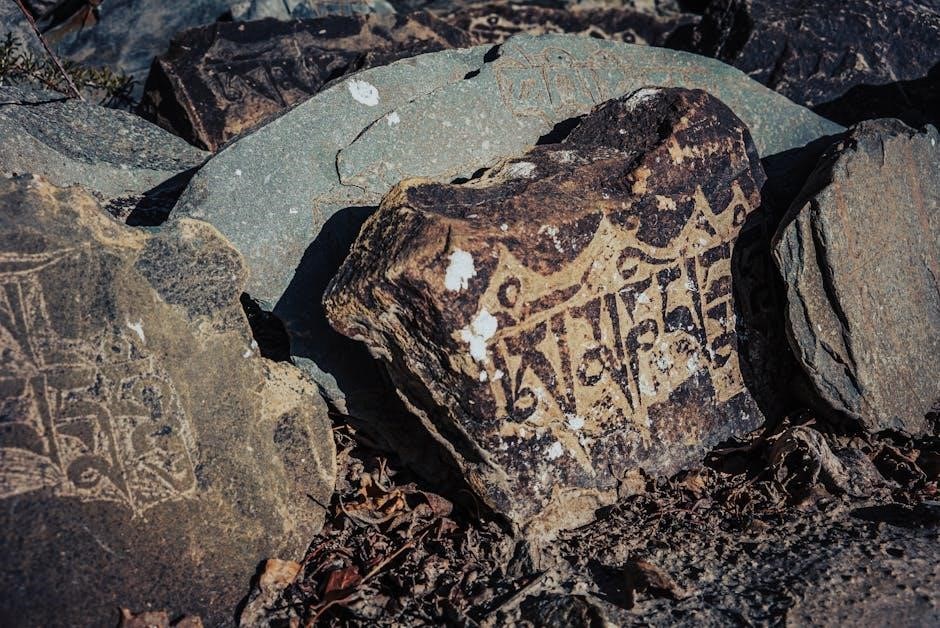
The digital realm presents both opportunities and challenges for collectors seeking authentic Indian artifacts․
Lar Hothem’s guides‚ available via the Internet Archive and Amazon‚ are crucial resources for navigating this growing market․
The Growing Online Market for Indian Artifacts
The accessibility of online platforms has dramatically expanded the market for North American Indian artifacts․ Auction sites and dedicated forums now host a significant volume of trade‚ attracting both seasoned collectors and newcomers․
Resources like Amazon offer updated price guides‚ notably Lar Hothem’s revised editions with over 2‚000 new photos‚ facilitating informed purchasing decisions․
However‚ this growth necessitates caution․ The Internet Archive provides access to Hothem’s comprehensive identification guides‚ essential for discerning authenticity․ Increased online activity also means a greater prevalence of misrepresentation and outright fakes‚ demanding diligent research and expert verification before any investment is made․
Understanding the Legal and Ethical Considerations
Acquiring Indian artifacts online demands awareness of legal and ethical responsibilities․ Many artifacts are subject to federal‚ state‚ and tribal laws regarding ownership and excavation․ Responsible collecting prioritizes provenance – the documented history of an artifact’s origin – to ensure it wasn’t illegally obtained․
Ethical considerations extend to respecting Indigenous cultures and heritage․ Purchasing artifacts with known cultural significance requires sensitivity and a commitment to preserving their historical context․ Lar Hothem’s guides‚ while valuable for identification‚ don’t address these nuanced legal and ethical dimensions‚ necessitating independent research․
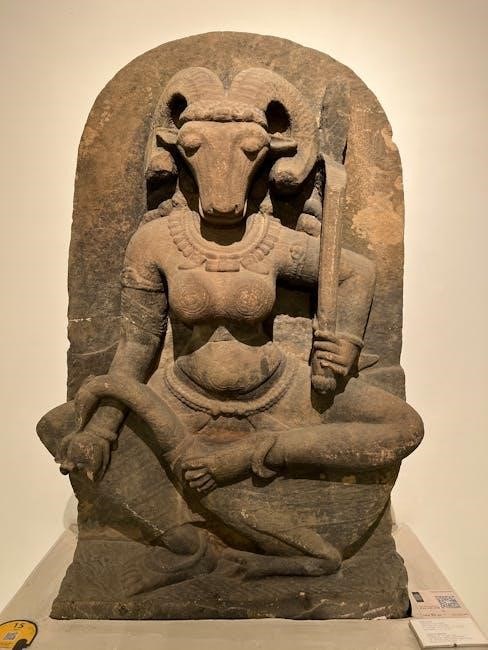
Types of Indian Artifacts Commonly Found Online
Online marketplaces frequently feature projectile points‚ stone tools‚ pottery‚ and pipes․ Hothem’s guides detail these categories‚ aiding identification and valuation for collectors and enthusiasts․
Projectile Points (Arrowheads) ─ A Detailed Overview
Projectile points‚ commonly known as arrowheads‚ represent a significant portion of artifacts available online․ Lar Hothem’s publications‚ including “Paleo-Indian artifacts: identification and value guide‚” provide essential classification details․ Identifying these points requires understanding flaking techniques and regional variations․
Collectors must consider material – flint‚ chert‚ or obsidian – alongside shape and size․ Hothem’s work showcases numerous examples‚ aiding in accurate identification․ Value is heavily influenced by rarity‚ condition‚ and provenance․ Online resources and auction data‚ combined with expert guides‚ are vital for informed purchasing decisions․
Stone Tools: Axes‚ Scrapers‚ and Drills
Beyond projectile points‚ online marketplaces feature axes‚ scrapers‚ and drills – essential tools of past cultures․ Lar Hothem’s “North American Indian artifacts” provides detailed imagery and descriptions for identification․ These tools‚ crafted from materials like flint and chert‚ exhibit distinct flaking patterns indicative of their function․
Determining value requires assessing condition‚ rarity‚ and evidence of use․ Scrapers‚ used for processing hides‚ differ significantly from axes used for woodworking․ Hothem’s guides emphasize the importance of understanding regional styles and manufacturing techniques for accurate valuation․
Pottery and Ceramics: Styles and Dating
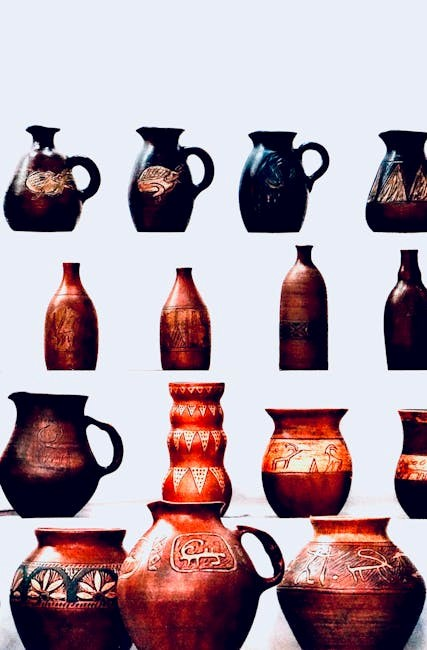
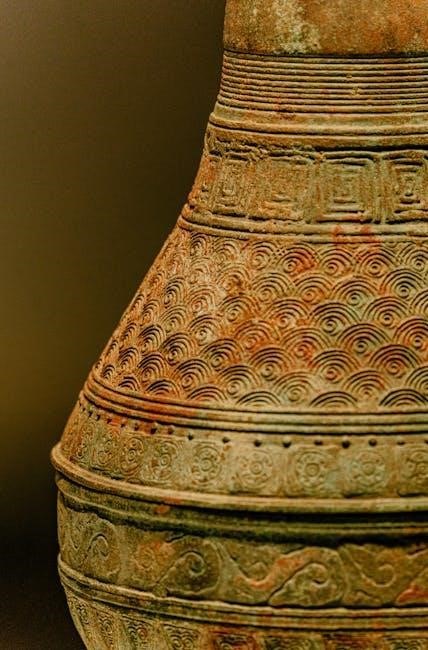
Online listings frequently include pottery and ceramic fragments‚ representing diverse cultural expressions․ Identifying styles – such as cord-marked‚ incised‚ or plain – is crucial for provenance․ Lar Hothem’s resources detail regional variations in pottery forms and decorative motifs․ Dating pottery relies on stylistic analysis‚ stratigraphic context (when available)‚ and sometimes‚ scientific methods․
Condition significantly impacts value; intact vessels command higher prices than fragmented pieces․ Understanding the cultural context and historical significance of a pottery style enhances its desirability among collectors․ Hothem’s guides are invaluable for this process․
Pipes and Pipe Bowls: Materials and Significance
Authenticating Indian pipes and bowls online requires careful scrutiny․ Materials like steatite (soapstone)‚ clay‚ and occasionally‚ catlinite are common․ Pipe bowl shapes and decorations often hold cultural significance‚ varying by tribe and period․ Hothem’s guides provide detailed illustrations and descriptions of regional pipe styles․
Condition‚ rarity‚ and the presence of original stems influence value․ Identifying the origin and intended use of a pipe – ceremonial versus utilitarian – adds to its appeal․ Beware of reproductions; expert authentication is recommended․
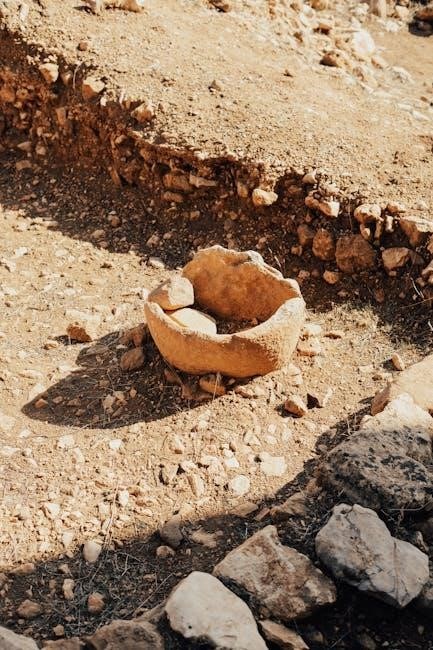
Key Features for Identification
Successful artifact identification hinges on material analysis‚ flaking techniques‚ shape‚ size‚ and surface patination․ Hothem’s resources emphasize these details for accurate assessment and valuation․
Material Analysis: Flint‚ Chert‚ Obsidian‚ and More
Determining an artifact’s composition is fundamental to identification․ Flint and chert were commonly used due to their conchoidal fracture‚ ideal for toolmaking․ Obsidian‚ a volcanic glass‚ offers a distinctive sheen and sharp edges․
Hothem’s guides detail recognizing these materials‚ alongside others like quartzite and shale․ Careful examination of texture‚ color‚ and luster provides clues․ Online listings should clearly state the material; skepticism is warranted if absent․
Understanding geological sources aids provenance․ Material analysis‚ combined with other features‚ builds a stronger case for authenticity and value․
Flaking Techniques: Identifying Manufacturing Methods
Analyzing flaking patterns reveals how an artifact was created․ Percussion flaking‚ using a hammerstone‚ produces larger‚ more random flakes․ Pressure flaking‚ employing a pointed tool‚ creates finer‚ controlled flakes for detailed work․
Hothem’s publications emphasize recognizing these techniques․ Examining flake scars – the negative impressions left by removed flakes – is crucial․ Consistent‚ deliberate flaking suggests skilled craftsmanship․
Online images should showcase clear flake scars․ Poorly executed or unnatural flaking can indicate a fake․ Mastering flaking technique identification is vital for accurate assessment․
Shape and Size: Regional Variations and Dating
Artifact shape and size vary significantly by region and time period․ Eastern Woodlands points differ greatly from those found in the Plains or Southwest․ Hothem’s guides detail these regional styles‚ aiding identification․
Early Paleo-Indian points are typically larger and fluted‚ while later Archaic points are smaller and simpler․ Size alone isn’t definitive‚ but combined with flaking and material analysis‚ it provides dating clues․
Online listings must include accurate measurements․ Comparing dimensions to established typologies‚ as outlined in Hothem’s work‚ is essential for proper assessment․
Surface Patination and Weathering
Genuine artifacts exhibit natural surface patination – a dulling and alteration of the surface due to prolonged burial․ This isn’t simply dirt; it’s a chemical change․ Weathering patterns‚ like pitting and smoothing‚ also develop over time․
However‚ artificial patination is a common tactic used by forgers․ Hothem’s guides emphasize recognizing the subtle differences between natural and induced weathering․
Online photos can be deceptive․ Request detailed images and scrutinize the texture․ Uniform‚ overly glossy surfaces are red flags․ Authentic patination is rarely consistent or uniform․
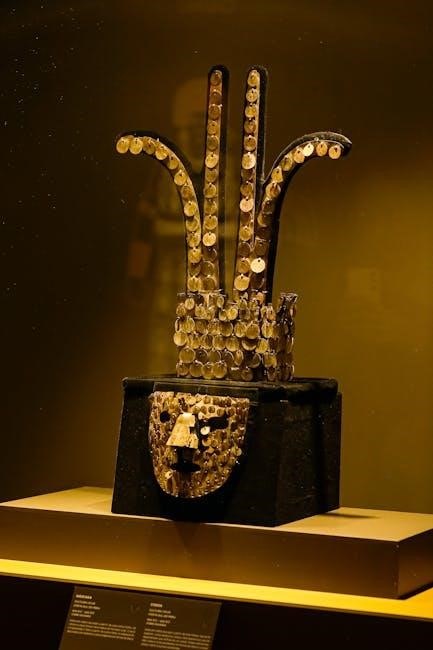
Regional Variations in Artifact Styles
Artifact styles differ significantly based on geographic location and cultural traditions․ Hothem’s work details these distinctions‚
covering Eastern Woodlands‚ Plains‚ Southwestern‚ and Midwestern (Kentucky‚ Ohio‚ etc․) variations․
Eastern Woodlands Artifacts
Eastern Woodlands artifacts‚ found across a vast area‚ exhibit diverse characteristics reflecting the region’s varied cultures․ Identifying these pieces requires understanding the prevalent materials – often utilizing locally sourced flint‚ chert‚ and occasionally obsidian traded from distant regions․ Pottery styles are notably diverse‚ ranging from cord-marked to incised designs‚ offering clues to dating and cultural affiliation․ Projectile points tend to be triangular or lanceolate‚ with regional variations in size and flaking techniques․
Pipe bowls‚ frequently crafted from soapstone or clay‚ are also common finds․ Lar Hothem’s guides provide detailed illustrations and descriptions‚ aiding in accurate identification and valuation of these historically significant items․
Plains Indian Artifacts
Plains Indian artifacts are strongly associated with nomadic lifestyles and bison hunting․ Projectile points‚ crucial for this pursuit‚ are often distinctively shaped – side-notched and corner-notched varieties being prevalent․ Stone tools‚ including scrapers for hide processing and knives‚ demonstrate skilled craftsmanship․ While pottery is less common than in other regions‚ when present‚ it often displays simpler designs․
Trade beads and metal objects‚ acquired through interactions with European traders‚ frequently appear in Plains collections․ Hothem’s resources are invaluable for discerning authentic pieces and understanding their historical context within the Plains cultures․
Southwestern Artifacts
Southwestern artifacts reflect settled agricultural communities and intricate artistic traditions․ Pottery is exceptionally prominent‚ showcasing diverse styles like Pueblo‚ Mogollon‚ and Hohokam‚ each with unique designs and construction techniques․ Stone tools‚ while present‚ often complement pottery in daily life․
Distinctive projectile points‚ often made of obsidian‚ are found alongside manos and metates used for grinding corn․ Turquoise and shell ornaments demonstrate sophisticated craftsmanship․ Lar Hothem’s guides are essential for identifying regional variations and assessing the value of these culturally rich Southwestern pieces․
Midwestern Artifacts: Focus on Kentucky‚ Ohio‚ Indiana‚ Illinois‚ Michigan‚ Wisconsin‚ Missouri‚ and Iowa
Midwestern artifacts‚ particularly from the states listed‚ showcase a rich history of woodland cultures and trade networks․ Expect to find a variety of projectile points‚ often crafted from locally sourced materials like chert and flint․ Stone tools‚ including axes and scrapers‚ were vital for survival․
Pottery styles vary regionally‚ reflecting different cultural influences․ Lar Hothem’s “Indian Artifacts: The Best of the Midwest” provides a focused guide for identification and valuation‚ crucial for navigating the online market and understanding the nuances of these artifacts․
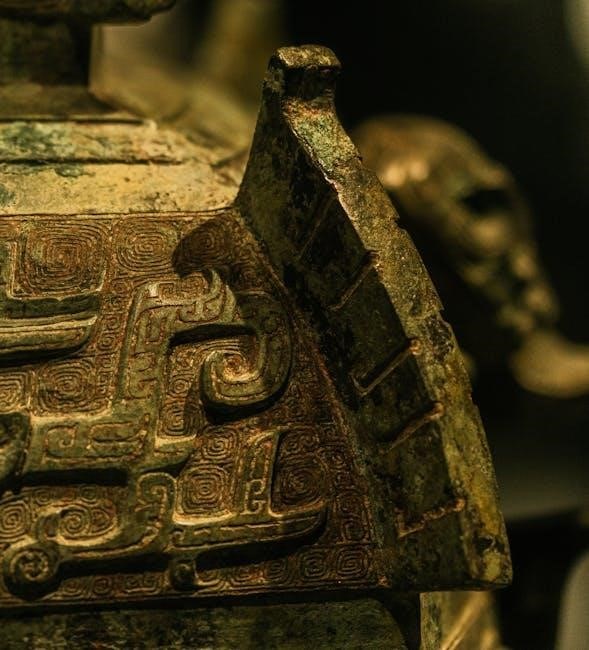
Determining the Value of Indian Artifacts
Artifact value hinges on rarity‚ condition‚ and provenance․ Hothem’s guides‚ alongside completed auction data‚ are essential for assessing market demand and establishing fair pricing․
Rarity and Condition: The Primary Factors
Rarity significantly impacts an artifact’s value‚ with unique or scarce finds commanding higher prices․ Condition is equally crucial; unbroken pieces‚ exhibiting minimal damage‚ are far more desirable to collectors;
Hothem’s comprehensive guides meticulously detail variations and expected conditions․
Detailed photographs are vital when evaluating online purchases‚ allowing for careful assessment of flaws․
Artifacts with demonstrable historical use‚ while potentially showing wear‚ can still hold substantial value․
However‚ significant breaks or repairs generally diminish worth․
Understanding these factors‚ as outlined in Hothem’s work‚ is paramount for informed valuation․
Provenance and Historical Significance
Establishing an artifact’s provenance – its documented history and origin – dramatically increases its value․ Knowing the specific site or cultural context adds layers of historical significance‚ appealing to serious collectors․
Artifacts linked to notable events or individuals are particularly prized․
Hothem’s guides emphasize the importance of responsible collecting and respecting cultural heritage․
Detailed records‚ including find location (where legally permissible) and previous ownership‚ bolster authenticity․
However‚ be cautious of unsubstantiated claims; verifiable documentation is key․ Provenance elevates an artifact beyond a mere object‚ transforming it into a tangible piece of history․
Demand and Collector Interest
Market demand significantly influences the value of Indian artifacts․ Certain types‚ like Paleo-Indian points or artifacts from specific regions (e․g․‚ Southwestern pottery)‚ consistently attract higher prices due to collector enthusiasm․
Lar Hothem’s updated pricing guides‚ available on Amazon and the Internet Archive‚ reflect current market trends․
Collector interest is often driven by rarity‚ condition‚ and aesthetic appeal․
Auction sites provide valuable data on completed sales‚ revealing what buyers are willing to pay․
Understanding these dynamics is crucial for both buyers and sellers navigating the online market․
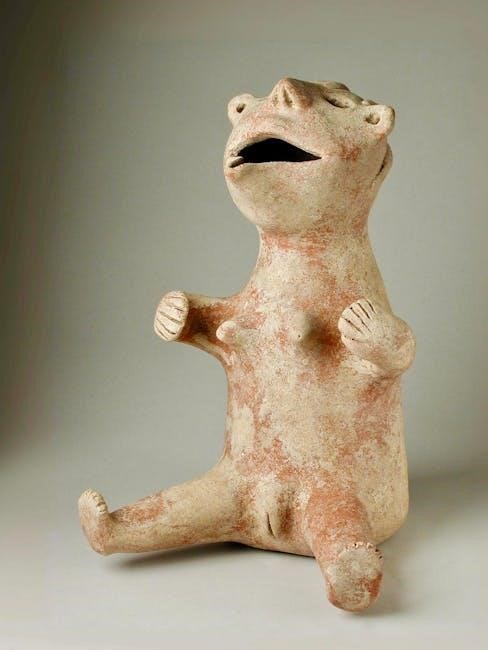
Online Resources for Identification and Valuation
The Internet Archive and Amazon host Lar Hothem’s essential guides‚ while online forums and auction sites offer community expertise and sales data for valuation․
Reputable Online Forums and Communities
Engaging with established online communities is paramount for both novice and experienced collectors․ These platforms facilitate knowledge sharing‚ artifact identification assistance‚ and discussions regarding current market values․ Seek out forums with active moderation and a demonstrated commitment to ethical collecting practices․
Experienced collectors frequently contribute detailed analyses and authentication insights․ Remember to critically evaluate information and cross-reference findings with established resources like Lar Hothem’s publications‚ readily available through the Internet Archive․ Beware of forums lacking transparency or promoting questionable practices․ Building relationships within these communities can significantly enhance your understanding and success in the online artifact market․
Auction Sites and Completed Sales Data
Analyzing completed sales data from reputable auction sites provides invaluable insight into current market values․ Platforms like eBay‚ while requiring caution‚ offer a substantial record of past transactions․ Scrutinize listings carefully‚ paying attention to artifact descriptions‚ condition reports‚ and final sale prices․
This data‚ when combined with resources like Lar Hothem’s identification and value guides (accessible via the Internet Archive and Amazon)‚ allows for more informed valuation assessments․ Remember that prices fluctuate based on rarity‚ provenance‚ and collector demand․ Thorough research is essential before making any purchasing or selling decisions․
Books and Guides: Hothem’s Works as a Key Resource
Lar Hothem’s publications are considered foundational texts for anyone interested in identifying and valuing North American Indian artifacts․ His comprehensive guides‚ including “North American Indian Artifacts: A Collector’s Identification and Value Guide‚” offer detailed descriptions‚ photographs‚ and pricing information․
These resources‚ readily available through platforms like the Internet Archive for free download and Amazon for purchase‚ are essential for both novice and experienced collectors․ Hothem’s work covers a wide range of artifact types‚ providing a crucial framework for authentication and accurate valuation in the online marketplace․
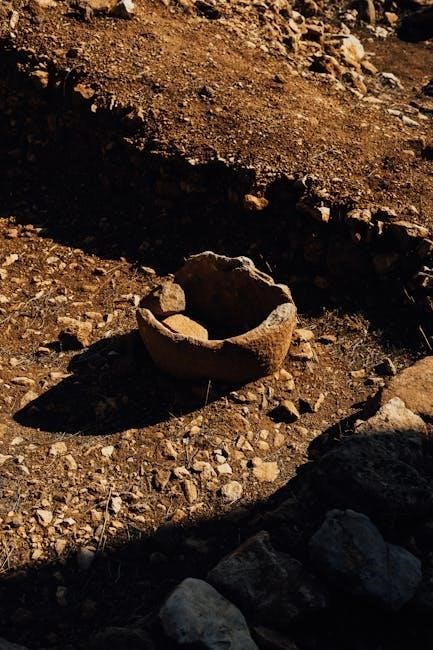
Avoiding Fakes and Misrepresentations
Be cautious of misrepresented artifacts online; expert authentication is vital․ Red flags include unrealistic pricing and lack of provenance‚ demanding careful scrutiny․
Red Flags to Watch Out For
Several indicators suggest potential issues when evaluating online artifact listings․ Unusually low prices‚ significantly below established market values‚ are a primary concern‚ often signaling a fake or misidentified item․
Similarly‚ vague descriptions lacking detail about provenance – the artifact’s history and origin – should raise suspicion․
Poor quality or limited photographs‚ especially those obscuring key features‚ are also red flags․
Be wary of sellers with limited feedback or a history of negative reviews․
Finally‚ claims of exceptional rarity without supporting documentation should be treated with skepticism‚ prompting further investigation and expert opinion․
The Importance of Expert Authentication
Given the prevalence of fakes and misrepresentations in the online market‚ expert authentication is paramount․ Relying solely on online descriptions or images is insufficient for verifying authenticity and value․
Consulting with experienced artifact collectors‚ archaeologists‚ or reputable appraisers provides crucial validation․
These experts possess the knowledge to identify subtle manufacturing techniques‚ material compositions‚ and regional stylistic nuances․
Lar Hothem’s comprehensive guides‚ while valuable resources‚ should complement‚ not replace‚ professional assessment․
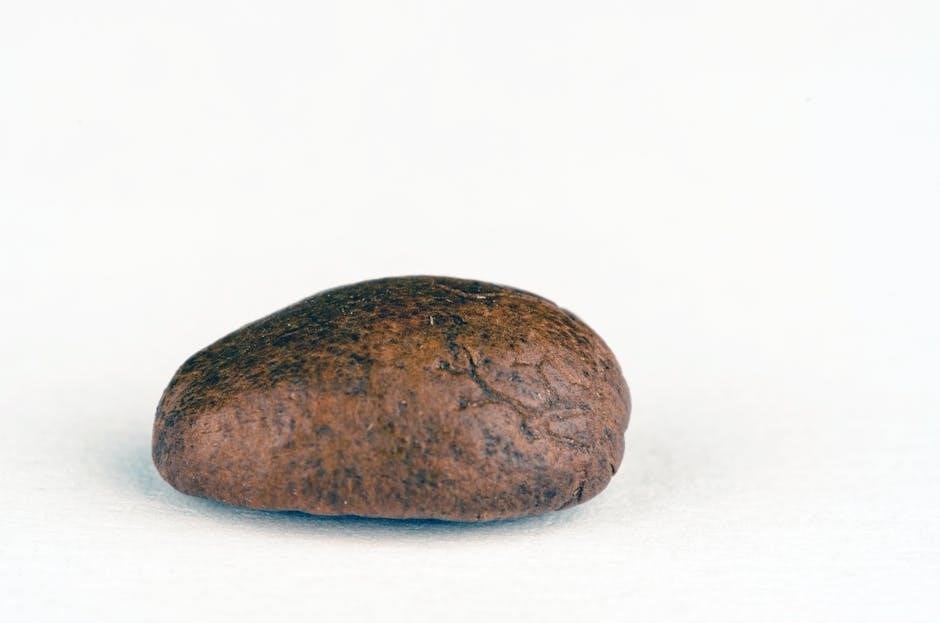
A formal authentication certificate offers assurance and protects against potential fraud‚ safeguarding your investment․
Resources for Further Research (as of 04/14/2026)
The Internet Archive hosts Lar Hothem’s invaluable books‚ while Amazon offers current editions and related titles for in-depth study and identification․
Internet Archive Resources (Lar Hothem’s Books)
The Internet Archive provides free access to digitized copies of Lar Hothem’s essential works‚ including “North American Indian Artifacts: A Collector’s Identification and Value Guide․” This resource‚ added to the archive on October 15‚ 2010‚ is a 707․2MB file offering comprehensive coverage of Indian art and implements․
Additionally‚ “Paleo-Indian Artifacts: Identification and Value Guide” is available‚ focusing on early Native American tools and their classification․ These digital copies are invaluable for researchers and collectors‚ offering bibliographies and detailed catalogs of artifacts‚ aiding in accurate identification and valuation․ Access is generally unrestricted‚ promoting wider knowledge dissemination․
Amazon Book Listings (Hothem and Related Titles)
Amazon․com offers both new and used copies of Lar Hothem’s “North American Indian Artifacts: A Collector’s Identification and Value Guide” (ISBN 9780896890855)․ This revised edition boasts over 2‚000 new photos and updated pricing‚ making it a crucial resource․
Furthermore‚ related titles like “Arrowheads and Stone Artifacts‚ Third Edition” by Pruett are available‚ providing a practical guide for amateur archaeologists․ Amazon’s book review section offers recommendations and insights‚ aiding collectors in building a comprehensive library for artifact identification and valuation․