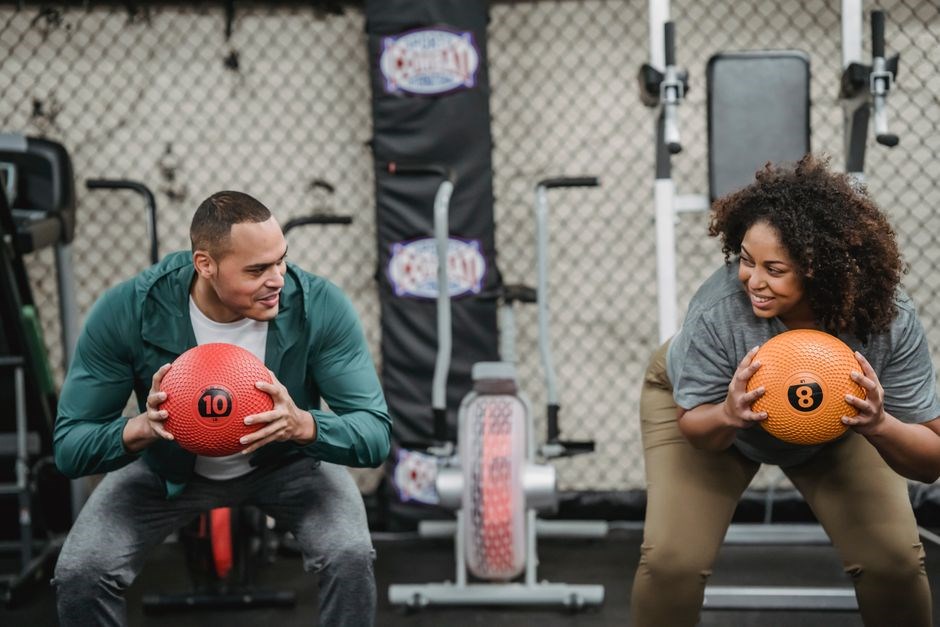
Discover how a slam ball PDF guides you through dynamic, full‑body routines that build power, coordination, and core strength. Follow step‑by‑step instructions for safe, effective slams now!!!.
What is a Slam Ball?
A slam ball is a weighted, spherical training device designed to enhance explosive power, coordination, and core stability. Typically ranging from 10 to 30 pounds, these balls are made from durable rubber or synthetic composites that can withstand repeated impact. The unique shape allows for dynamic movements such as overhead slams, rotational throws, and partner passes, engaging multiple muscle groups simultaneously. By incorporating a slam ball into a workout PDF, athletes can follow structured routines that progress from basic slams to advanced plyometric drills, ensuring proper technique and safety. The ball’s weight and size can be tailored to individual fitness levels, making it suitable for beginners, athletes, and rehabilitation programs alike. Consistent use improves muscular endurance, cardiovascular conditioning, and functional strength, while also providing a fun, high‑energy training experience. Its portability allows athletes to perform slams on the field, in the park, or at home, making it a convenient tool for training across diverse environments daily routines.
!
Benefits of Slam Ball Training

Incorporating a slam ball into your routine offers a spectrum of benefits that elevate overall fitness. The dynamic overhead slam engages core, shoulders, and legs, promoting functional strength and improved posture. Repeatedly releasing the ball with force develops explosive power essential for sprinting, jumping, and rapid directional changes. Rotational passes and throws enhance rotational stability, reducing injury risk in sports demanding twisting motions. Consistent practice improves cardiovascular endurance, as high‑intensity bursts elevate heart rate while recovery periods keep training efficient. The ball’s variable weight allows progressive overload, ensuring continual adaptation without bulky equipment. For beginners, the slam ball provides a low‑impact, full‑body workout that can be scaled to suit skill level, while seasoned athletes can integrate advanced plyometric combos to push limits. and lasting results daily
Choosing the Right Slam Ball
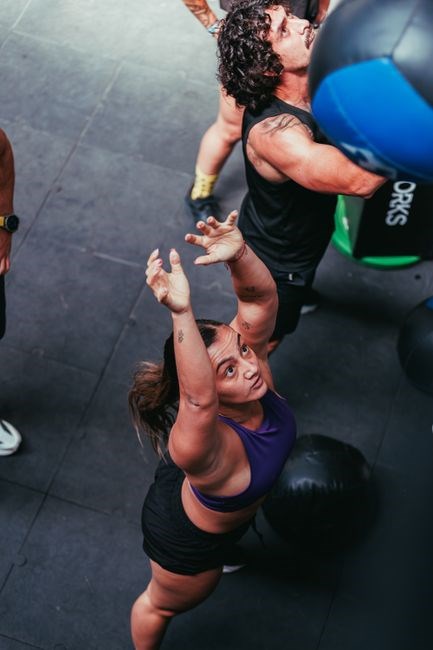
Choosing the right slam ball hinges on weight, size, and material. Lighter balls suit beginners, heavier ones boost power. Durable rubber or synthetic blends resist impact, ensuring longevity.!!
Weight and Size Options
When selecting a slam ball for your PDF‑based routine, the weight and diameter directly influence the intensity and safety of each slam. A 10‑lb, 12‑inch ball is ideal for beginners, allowing smooth overhead lifts and controlled releases without over‑exertion. Intermediate athletes often choose 15‑lb or 20‑lb balls, which increase resistance while still permitting proper form. Advanced users may opt for 25‑lb or heavier, 18‑inch or 20‑inch variants to maximize power output and challenge core stability. Always match the ball’s mass to your current strength level and progress goals. Additionally, consider the ball’s circumference: a smaller diameter reduces the range of motion, making the exercise more compact, whereas a larger ball demands greater shoulder mobility and trunk rotation. By carefully balancing weight and size, you can tailor the PDF workout to your training phase, ensuring each slam is both effective and injury‑free. Build power, stay injury‑free strong.!
Material and Durability
Choosing the right material for your slam ball is essential for both performance and longevity. High‑density rubber or synthetic composites provide a firm, shock‑absorbent surface that resists punctures and maintains shape over thousands of slams. A thick, reinforced core—often made from polyurethane or a blend of foam and rubber—ensures that the ball won’t deform under repeated impact, preserving consistent weight distribution. Durability also depends on the seam construction: molded seams create a seamless surface that reduces wear, while stitched seams can be prone to fraying if the ball is dropped or slammed on hard surfaces. For outdoor use, opt for a UV‑resistant coating to prevent cracking from sun exposure. Finally, inspect the ball’s finish for any cracks or soft spots before each session; a well‑maintained ball not only lasts longer but also delivers safer, more reliable slams throughout your PDF workout routine This PDF template adapts to all fitness levels

How to Use a Slam Ball Safely
Follow the PDF guide: start with light throws, keep feet shoulder‑width, use core, land softly, avoid over‑extension. Breathe and protect joints for safety.!
Warm‑up and Mobility Routine
Before you lift a slam ball, a focused warm‑up primes the body for explosive movement. Start with 5 minutes of light cardio—jogging, jump rope, or dynamic marching—to elevate heart rate and increase blood flow. Follow with joint mobility drills: shoulder circles, thoracic spine rotations, hip openers, and ankle rolls, each lasting 10–15 reps to loosen connective tissue. Next, activate the core and glutes with plank variations, glute bridges, and bird‑dog exercises, holding each for 30 seconds to build stability. Finish with dynamic stretches: arm swings, high knees, and butt kicks, ensuring the entire kinetic chain is ready for the high‑impact slams outlined in the PDF. This routine reduces injury risk and maximizes performance. Incorporate breathing cues and maintain a controlled tempo to prevent overexertion. After completing the warm‑up, you are ready to tackle the slam drills with confidence and safety. Stay hydrated and listen to your body throughout. Enjoy the burn!!!!

Proper Technique for Slams
Start by standing shoulder‑width apart, knees slightly bent, core engaged. Hold the slam ball above your head with both hands, elbows locked. Inhale deeply, then exhale forcefully while driving the ball downward. Use a full range of motion: swing the ball from overhead to the floor, allowing the hips and legs to generate power. Keep your back neutral, shoulders relaxed, and wrists straight. As the ball contacts the ground, absorb impact by bending the knees and rolling the hips, preventing strain on the lower back. After each slam, reset by raising the ball back to the starting position, maintaining control; Practice rhythmic breathing to sustain energy, and always land softly to reduce joint stress. Consistency and proper form will maximize gains and minimize injury risk.
Keep your core tight avoid letting the ball bounce too high; a controlled drop maximizes lower‑body impact. Consistent practice builds explosive power and overallathletic performance.
Sample Slam Ball Workout PDF
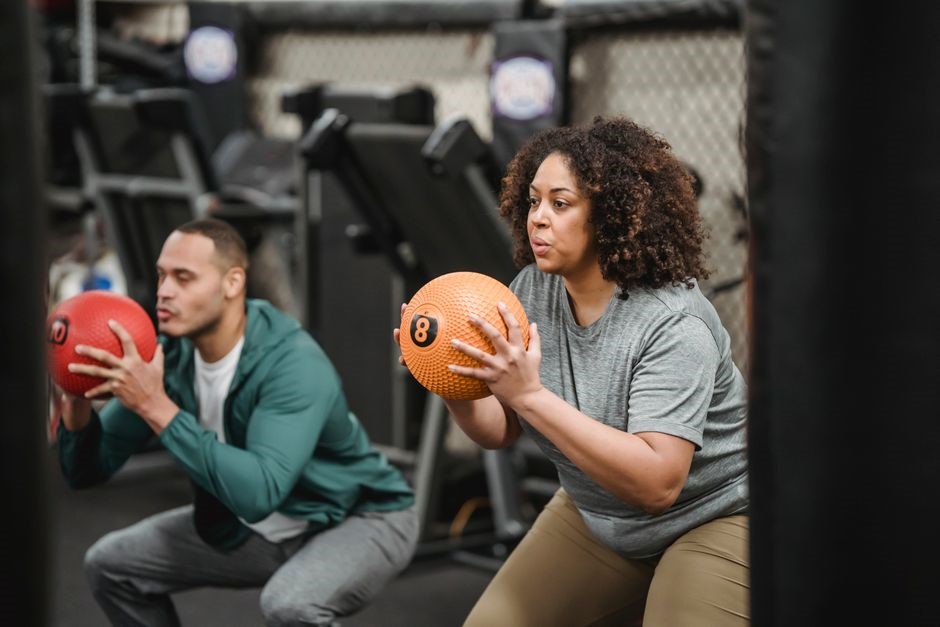
Download our free 20‑minute slam PDF. It includes warm‑up, 5 core slams, 3 plyo sets, and cool‑down. Follow step‑by‑step visuals for safe training.intense core
Primary Slam Exercises
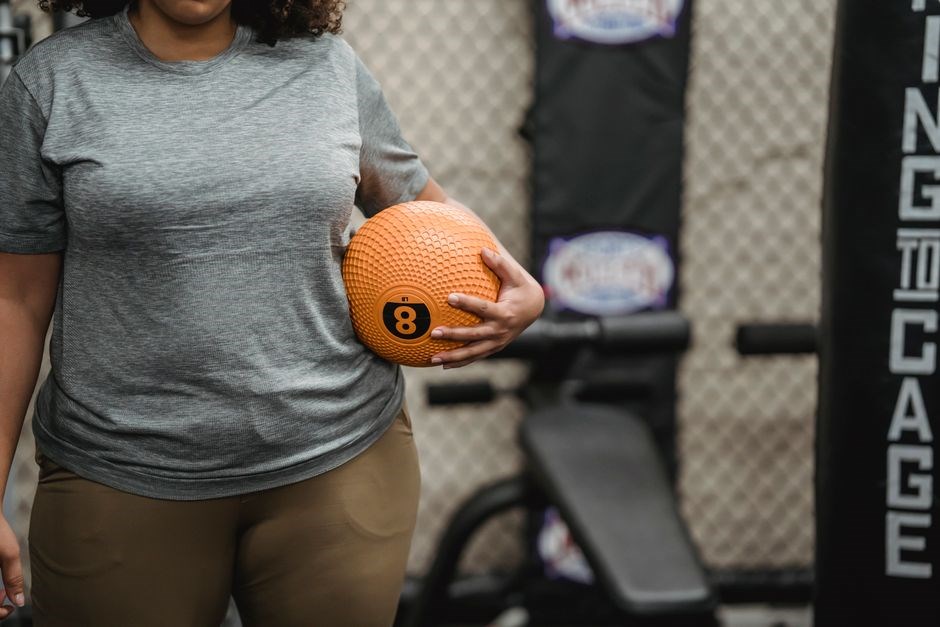
Our PDF outlines five core slam drills that target explosive power, core stability, and shoulder endurance. Each exercise includes a clear visual cue, recommended rep range, and a brief safety note. The first drill, the vertical slam, uses a 10‑lb ball and focuses on full‑body extension. The second, the overhead slam, challenges shoulder mobility while engaging the core; The third, the side‑to‑side slam, improves lateral power and coordination. The fourth, the single‑leg slam, adds a balance component for functional strength. The final drill, the double‑hand slam, maximizes force output and cardiovascular demand. Follow the step‑by‑step instructions, adjust weight as needed, and track progress in the PDF’s built‑in log. The PDF offers variations for beginners, letting you scale intensity by adjusting slam height, speed, or adding a pause at the top. Each drill includes a video link and a warm‑up set. Log sets and reps in the built‑in tracker to monitor progress daily.

Customizing Your Slam Ball PDF
Add goals, set weekly targets, reorder drills. Log reps, weights, rest with tracker. Adjust difficulty by changing slam height or duration to match progress!.
Adding Personal Goals
Begin by defining clear, measurable objectives that align with your overall fitness vision. Use the PDF’s goal‑setting section to note desired outcomes—such as increasing slam volume, improving explosive timing, or enhancing core stability. Break each main goal into weekly milestones, assigning specific rep ranges, weights, or tempo cues. Record progress in the built‑in tracker, noting any deviations or breakthroughs. Adjust the plan dynamically: if a target feels too easy, add a heavier ball or extend the set count; if it’s too hard, reduce load or incorporate rest intervals. Regularly review the goal sheet, celebrate achievements, and recalibrate for the next phase. This iterative approach ensures the slam ball routine remains challenging, motivating, and directly tied to your personal growth trajectory. By revisiting these goals weekly, you can adjust intensity, celebrate small wins, and keep your training aligned with long‑term aspirations. Use a simple spreadsheet to log weekly totals every day!
Tracking Progress
Use the PDF’s dedicated log sheet to capture every slam set, weight, and tempo. Record the number of reps, the time between sets, and any subjective fatigue rating. After each session, compare the new data to the previous week’s numbers to spot trends. If reps plateau, consider adding a 2‑lb increment or a 5‑second rest extension. If you’re consistently hitting the target, push the weight up or add an extra set. Keep a visual chart in the PDF to see progress over time—color‑coded bars for volume, spikes for max effort, and a line graph for core stability scores. Review the chart monthly, noting any dips that might signal overtraining or injury risk. Adjust your routine accordingly, and celebrate milestones by marking them on the PDF’s “Achievements” page. Consistent tracking turns raw effort into measurable results, ensuring the slam ball program evolves with your growing strength and endurance. By consistently logging each slam, you’ll see tangible gains that motivate you to push further week. Track progress in the PDF’s table, noting changes in speed andpower.

Advanced Slam Ball Variations
Boost power with slams, overhead throws, and twists. Add bands or vests for explosive strength, testing balance, coordination, and core stability. for athletes.
Partner Drills
Partner drills elevate slam ball training by adding coordination, reaction time, and team dynamics. Begin with a simple pass‑and‑slam: one partner holds the ball, the other receives a quick handoff, then slams it to the ground. Repeat alternating sides to build rhythm and trust. Next, incorporate a “mirror” drill where both partners perform identical slams simultaneously, focusing on synchronized timing and breathing. For a challenge, add a reaction component: a coach calls a random cue (“left,” “right,” “high,” “low”), and partners must adjust their slam angle accordingly. This sharpens decision‑making and spatial awareness. Finally, integrate a “relay” sequence: each partner slams, passes, and then performs a different movement—such as a squat or a lunge—before handing the ball back. This sequence boosts cardiovascular endurance, muscular endurance, and teamwork. Use the slam ball PDF to track repetitions, note intensity, and adjust the drill order based on progress. Consistent practice of these partner drills will improve explosive power, coordination, and overall athletic performance. This sequence builds trust sharpens teamwork. and Strength!!
Plyometric Combos
Incorporate slam ball plyometrics to amplify power, agility, and explosive strength. Start with a “squat‑slam‑jump” set: squat, lift the ball overhead, slam, then explode into a tuck jump; Repeat for 12 reps, resting 30 seconds. Next, the “lunge‑slam‑lateral hop” sequence: lunge forward, slam, immediately hop laterally to the opposite side, then return to the starting position. Perform 10 reps per side. For upper‑body focus, try the “push‑up‑slam‑burpee” combo: execute a push‑up, slam the ball, then drop into a burpee, catching the ball mid‑air before the next rep. This sequence boosts core stability and full‑body coordination. Finish with a “double‑slam‑box jump”: slam the ball, catch it, then leap onto a sturdy box or platform, landing softly. Repeat 8 times. Use the slam ball PDF to log sets, reps, and perceived exertion, adjusting weight or tempo to match training goals. Consistent plyometric combos will elevate your athletic performance, improve reaction time, and build functional strength. Keep strong! Stay fit.!!

and Resources
Download the slam ball PDF, explore links, and keep training strong. For more tips, visit our site or join the community. Stay fit stay focused and slam on! Keep pushing! Stay fit!!!.!!.
Where to Download the PDF
Ready to elevate your training? The slam ball workout PDF is available for free download on our official website. Simply visit the Download Page, where you’ll find a secure link to the PDF file. After clicking, the file will automatically start downloading to your device. If you prefer a direct link, use the following URL: https://example.com/files/slam-ball-workout.pdf. For mobile users, the PDF opens in your browser or can be saved to your phone for offline access. Enjoy your slam ball workouts!
Additional resources are available on our website. Additional resources are available on our website. Additional resources are available on our website. Additional resources are available on our website. Additional resources are available on our website. Additional resources are available on our website. Additional resources are available on our website. Enjoy now.! Add 7.! Extra
Further Reading
For those eager to deepen slam ball knowledge, the following books, articles, and videos provide insights into technique, conditioning, and program design. Each resource offers practical value and evidence‑based guidance.
- “The Power of the Slam Ball” – A guide covering fundamentals and injury prevention.
- “Functional Strength Training” – Chapter 7 focuses on core work with weighted balls.
- “Sports Performance” – Online module on plyometric integration with slam ball.
- “YouTube: Slam Ball Masterclass” – Step‑by‑step video series by trainers.
- “Journal of Strength & Conditioning Research” – Peer‑reviewed studies on power gains from slam ball.
Explore these materials to refine technique, expand routine variety, and track progress. Whether you’re a beginner or seasoned athlete, the literature above guides you toward greater performance and safer execution. Start today fast!!